Types of Carbon Steel Pans Explained
Frying pan, wok, griddle, crepe pan and paella pan all use the same steel. The shape decides the job. Here is which one to buy first.
New to carbon steel? Start here. This is the cookware professional kitchens lean on — lighter than cast iron, quicker to heat, and free of any non-stick coating that can flake or wear away. These guides cover the fundamentals: what a carbon steel pan actually is, how it stacks up against the pans you already own, what the different gauges and thicknesses mean for how it cooks, and how the metal builds its natural non-stick patina over time. Whether you’re deciding if carbon steel suits your stove or just want to understand how it works before you buy, you’ll find plain-English answers here — no jargon, no hype.
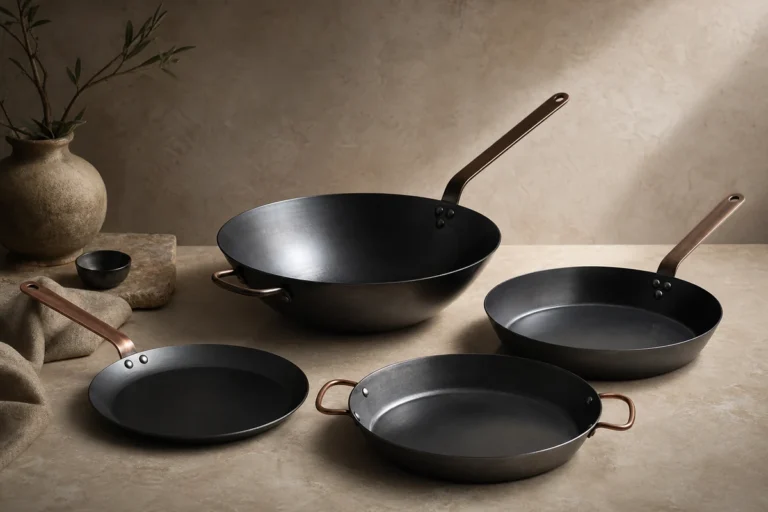
Frying pan, wok, griddle, crepe pan and paella pan all use the same steel. The shape decides the job. Here is which one to buy first.
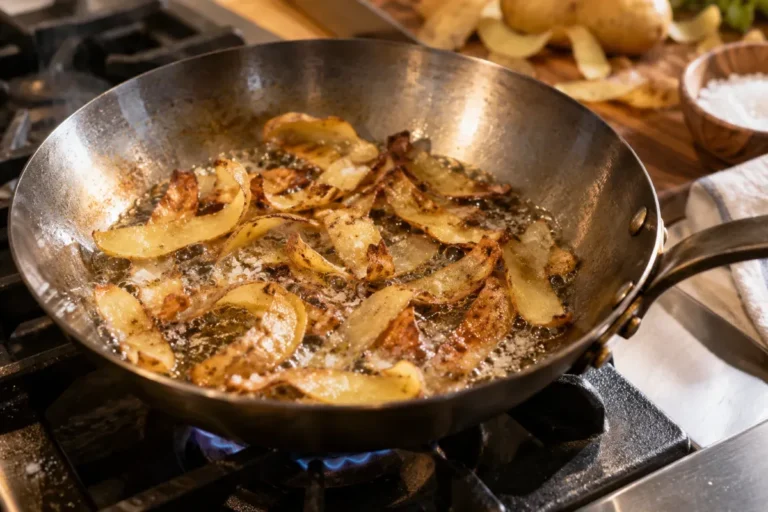
By the Carbon Steel Pan test team · Last updated September 2026 Cook fatty, forgiving foods first in a new carbon steel pan: bacon, sausages, potatoes, or anything that renders oil and builds seasoning. These add layers to the surface while being hard to ruin. Save eggs, delicate fish, and acidic dishes for later, once…
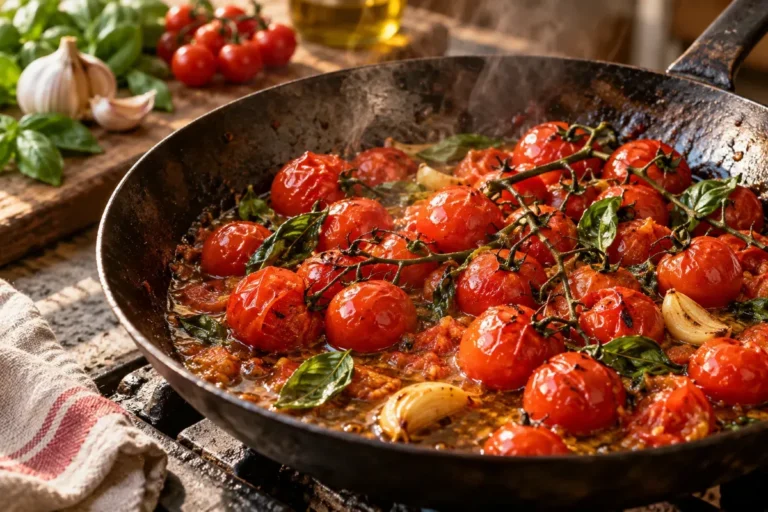
By the Carbon Steel Pan test team · Last updated September 2026 You can cook acidic foods in carbon steel, as long as you keep the contact brief. A quick wine deglaze, a squeeze of lemon, or a fast tomato sauté will not harm a well-seasoned pan. The trouble comes from long simmers of acidic…
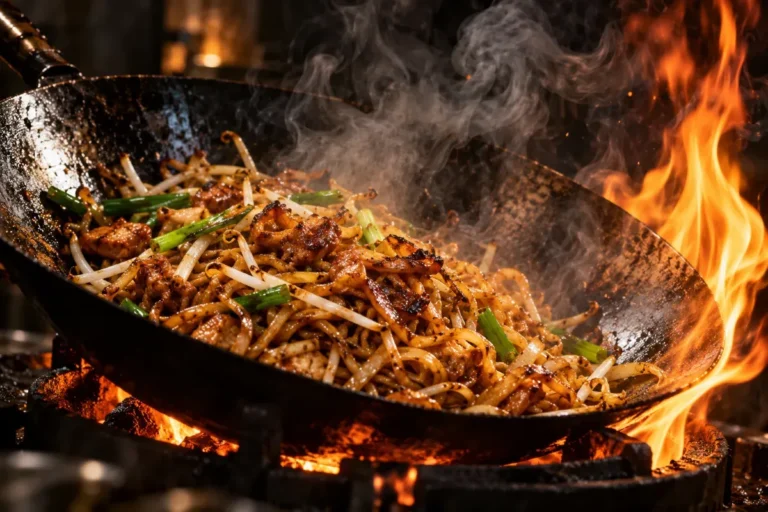
By the Carbon Steel Pan test team · Last updated September 2026 Wok hei is the smoky flavor created when food sears and lightly chars over very high heat in a hot wok. To get close at home, preheat the wok until it smokes, cook in small batches so the heat never drops, keep every…
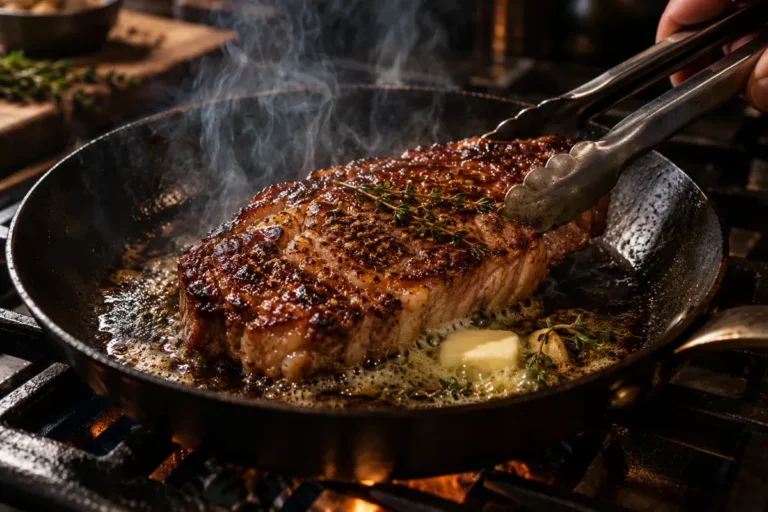
By the Carbon Steel Pan test team · Last updated September 2026 Carbon steel sears steak well because it heats fast and holds high heat. Dry the steak, salt it, and preheat the pan until it just starts to smoke. Lay the steak down away from you, leave it to build a crust for two…
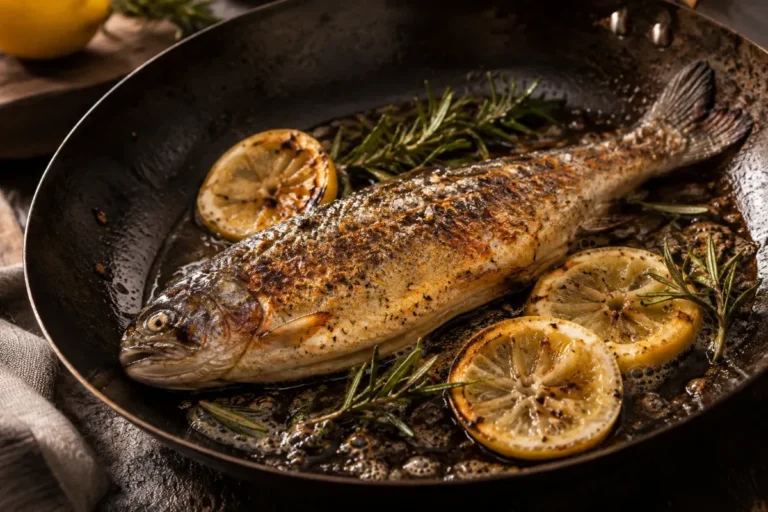
By the Carbon Steel Pan test team · Last updated September 2026 Fish releases from carbon steel when the pan is hot, the skin is dry, and you leave it alone. Pat the fish dry, preheat the pan until the oil shimmers, lay the fillet skin-side down, and press it flat for a few seconds….
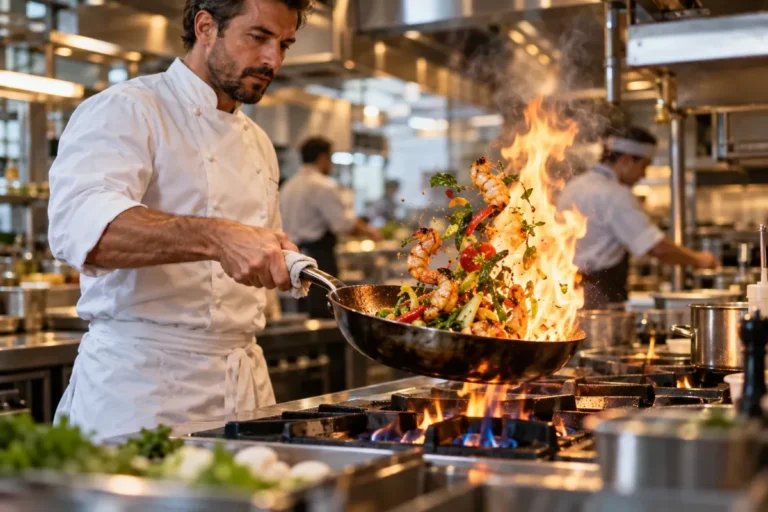
By the Carbon Steel Pan test team · Last updated September 2026 Chefs use carbon steel because it heats fast, responds instantly to the burner, and takes the very high heat that searing needs. It is lighter than cast iron, so it moves and tosses easily through a busy service, and it has no coating…
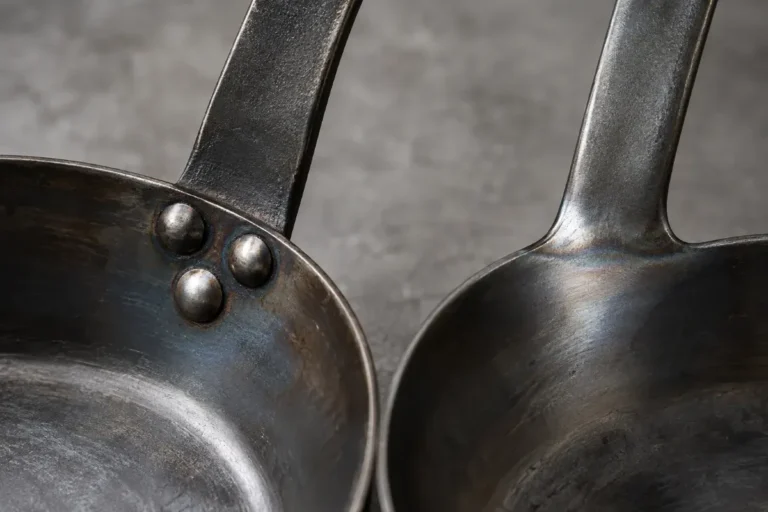
Rivets leave studs inside your cooking surface. Welded handles do not. Here is what that difference actually means in daily use, and which to buy.
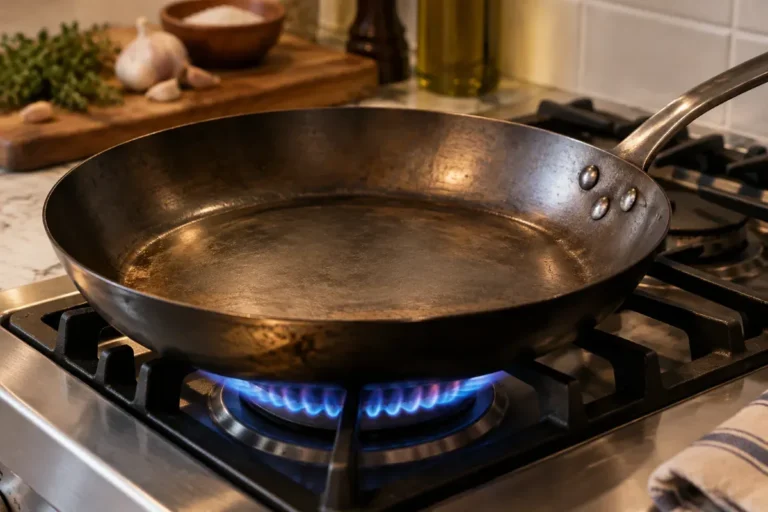
An 11-inch pan gives you about 8 inches of usable base. Here is why roughly three inches vanishes on every carbon steel pan, and what size you actually need.