Best Carbon Steel Pan for Eggs (Tested)
By the Carbon Steel Pan test team · Last updated September 2026
The best carbon steel pan for eggs is a smaller model, around 8 to 10 inches, with a smooth surface that seasons quickly. That compact size keeps eggs from spreading and heats evenly, while a slick, well-cured surface lets them slide out clean. Below are the tested picks and the technique that stops sticking.
Eggs are the honest test of any pan. A fried egg either releases in one gentle push or it tears and welds to the metal. We cooked dozens of eggs across four skillets to find the ones that make the good result repeatable, and to pin down the features that matter most.
Top egg-pan picks
Here is the short version for anyone who wants to buy and move on.
- Best overall: Made In 8 or 10 inch. A smooth factory surface that seasons fast and releases eggs sooner than most.
- Best budget: Armorbear 10 inch nitrided. A slick nitrided finish, easy to season, at a price that undercuts the field.
- Best small pan: de Buyer 8 inch. The classic French shape for one or two eggs and tidy omelettes.
- Best oven-to-table: Yonida 10 inch. Ships pre-seasoned and looks good going straight to the plate.
Any of these will cook eggs well once the seasoning matures. The differences show up in how soon that happens and how forgiving the pan feels along the way.
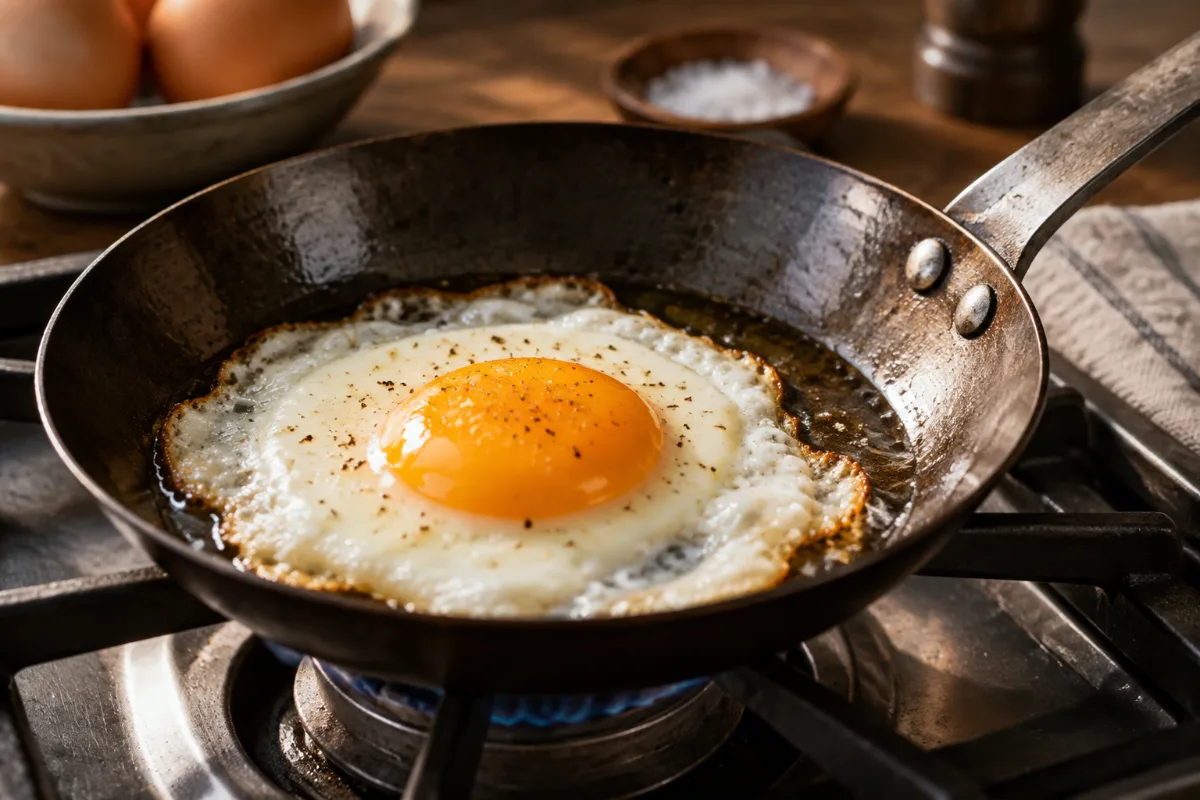
Quick answer: Our tested guide to best carbon steel pan for eggs keeps it simple: master the technique, keep the surface seasoned, and match your heat to the food. The full method, the key facts and the mistakes to avoid are all below.
Best Carbon Steel Pan For Eggs: What Our Tests Found
Our team put best carbon steel pan for eggs through repeated real cooking sessions to see what actually works. Below we break down the method, the facts that matter, and the common mistakes so you get reliable results the first time.
What makes a pan good for eggs
Three things decide egg performance: size, surface, and how readily the pan takes seasoning. Get those right and technique carries the rest.
The right size
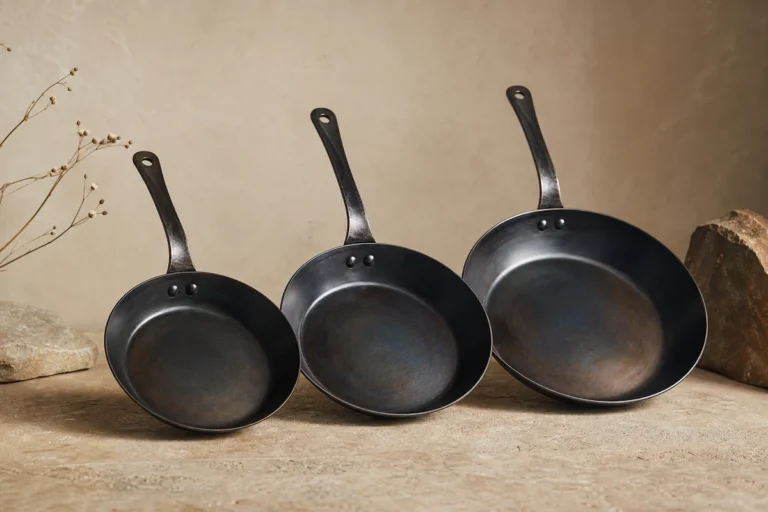
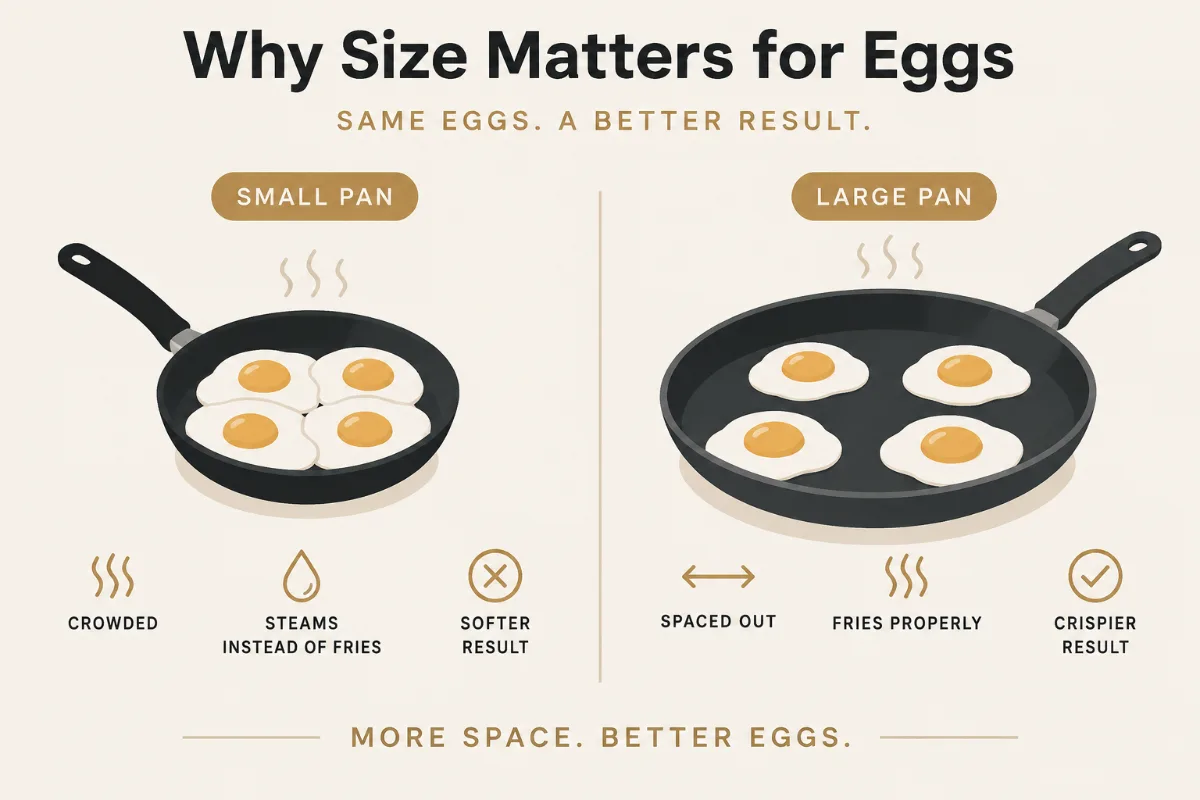
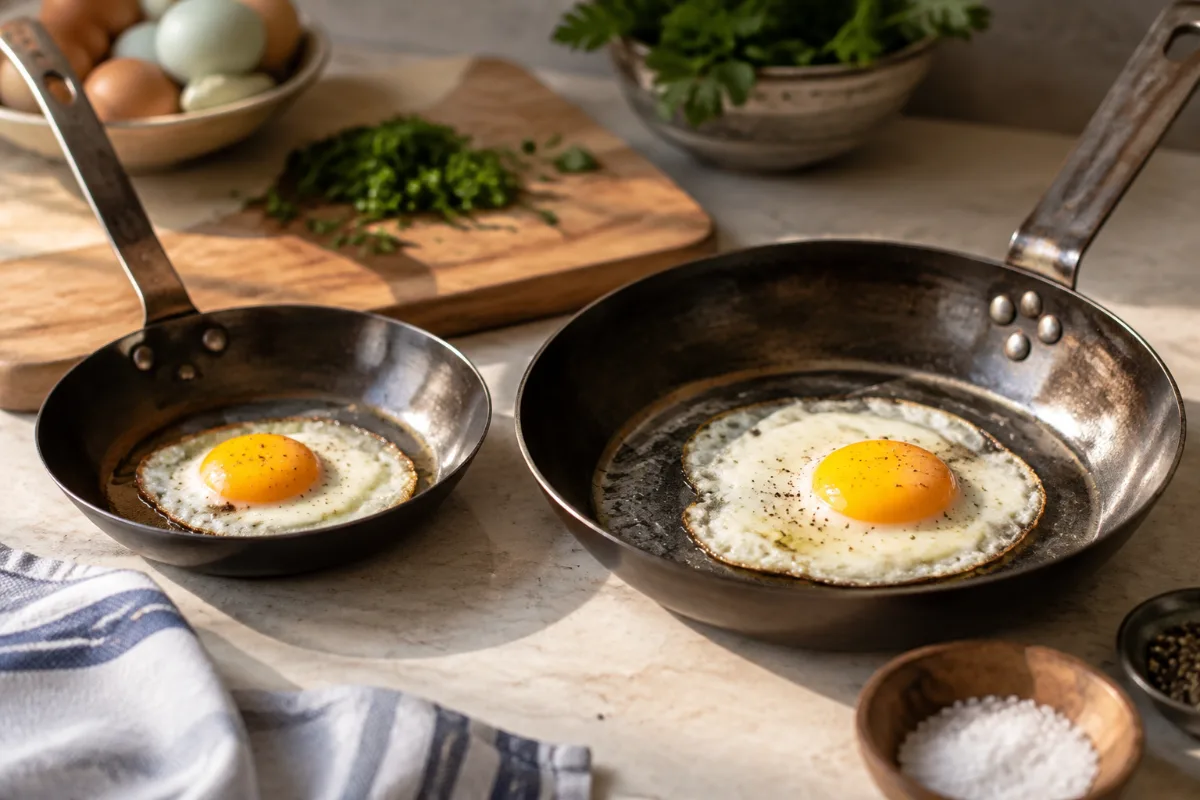
Eggs cook best in a pan that fits them. Two eggs in a 12 inch skillet spread into a thin, ragged sheet and cook before you can shape them. The same eggs in an 8 or 10 inch pan stay compact, so the whites set into a neat round and the base heats evenly under them.
A smaller pan also preheats faster and holds a steadier temperature, since less surface area means fewer cold spots. For fried eggs and folded omelettes, an 8 inch pan is ideal. For scrambles or when you cook three eggs at once, step up to 10 inches. Sloped sides help too, because a shallow curve lets a spatula slide under the egg and guide it onto the plate in one motion.
Think about how you cook eggs most often. A person who fries one egg for toast wants the smallest pan they can find, so the white stays thick and round. A cook making a three-egg omelette for two people needs the 10 inch. Buying the size that matches your usual order beats buying big and hoping. A pan too large for the job is the most common reason eggs come out thin, rubbery, or torn.
Surface and seasoning
A smoother base releases eggs more cleanly. Premium French and American pans arrive with a finer finish, while budget pans can feel slightly gritty until a few cooks smooth them out. Nitrided pans, treated so the surface is harder and more corrosion-resistant, take seasoning quickly and shrug off rust, which is why several egg-focused pans use that finish.
Seasoning is the layer that actually does the releasing. It is polymerized oil bonded to the steel, built up through cooking and light oiling. A pan that seasons easily gets to reliable egg release faster. Serious Eats and America’s Test Kitchen both note that a mature, even seasoning layer, not any factory coating, is what makes eggs slide. That means the pan is only half the job. The rest is your habit of preheating and using enough fat.
It helps to be realistic about the timeline. A brand-new carbon steel pan will fight you on eggs for the first couple of weeks. Cook fatty foods like bacon and potatoes early, and each session adds a layer. By the third or fourth week of regular use, most pans reach the point where a fried egg slides free with a gentle push. A pan that seasons quickly, like a nitrided model, shortens that wait. If you want eggs to work on day one, you may still want to build the surface first. Rushing straight to eggs on a raw pan is the fastest route to frustration.
Best overall egg pan
The Made In carbon steel skillet in the 8 or 10 inch size is our pick for most people cooking eggs. Its surface comes finer than the budget field, so it reaches clean egg release after fewer sessions. The pan weighs around 2.5 pounds in the 10 inch size (verify), which is light enough to tilt and swirl butter without straining your wrist.
Heat spreads evenly across the base with no obvious hot ring, which matters for eggs because a single scorching spot sets one edge while the center is still raw. The stainless handle stays cooler than a bare steel one during the short cook an egg needs, and it gives a secure grip for the flick that folds an omelette. That even base is the difference between an omelette that sets in one smooth sheet and one that puffs and browns in patches.
It suits the cook who wants eggs to work sooner and does not mind paying more for a refined finish. Once seasoned, it handles a slow soft scramble and a crisp-edged fried egg with equal ease. If you only own one carbon steel pan and eggs are a daily event, this is the one to build around.
Best budget egg pan
The Armorbear 10 inch nitrided pan proves you do not need to spend much for good eggs. The nitrided surface is slick out of the box and takes seasoning fast, so the pan starts releasing eggs within the first week of regular cooking. At around $27 (verify), it costs a fraction of the premium picks.
The trade-offs are modest. The handle is plainer and the overall build feels less refined than a French pan. But for the price, the cooking surface is the part that counts, and here it holds up. New owners nervous about their first carbon steel pan get a forgiving, low-risk entry point. If eggs are your main reason for buying and budget is tight, this is the smart choice.
Best small pan for one or two eggs
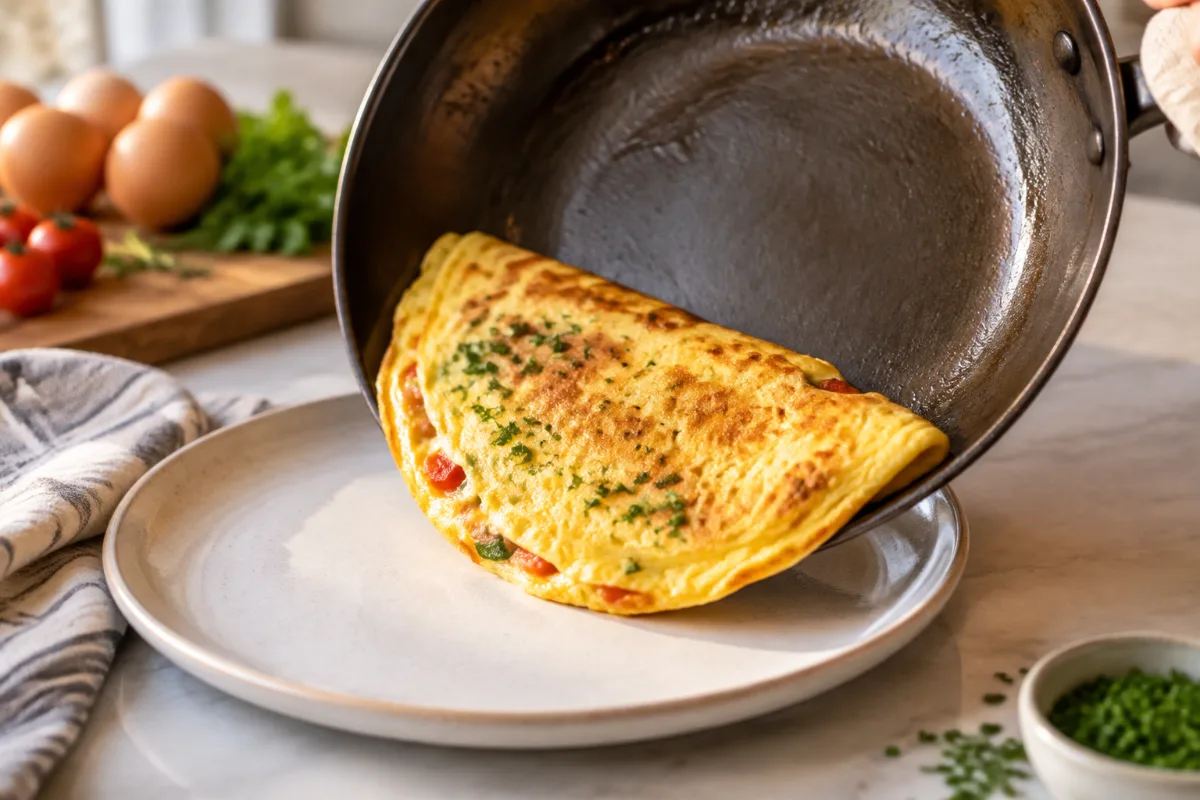
Sometimes you want a dedicated egg pan and nothing bigger. The de Buyer 8 inch, part of the Mineral B line, is the traditional answer. Its shape is built for the French omelette: shallow, curved sides and a compact base that concentrates the egg so it cooks fast and folds cleanly.
An 8 inch pan is the right tool for a single fried egg on toast or a two-egg omelette. The egg has nowhere to run, so the white stays thick and the yolk sits proud. de Buyer ships it with a beeswax coating you scrub off before the first season, and once you build a few layers, it becomes a slick, single-purpose workhorse. Keep it near the stove and it earns its place every morning.
A dedicated small pan has a hidden benefit: it only ever cooks eggs and a few gentle jobs, so its seasoning never takes the abuse of high-heat searing. That means it stays smooth and slick longer than a general-purpose pan you also use for steak. Many cooks who love eggs keep one small pan for exactly this reason, treating it as the egg pan and nothing else.
The technique still matters
The best pan in the world sticks if you rush it. Egg release comes down to two habits, and they matter more than the badge on the handle.
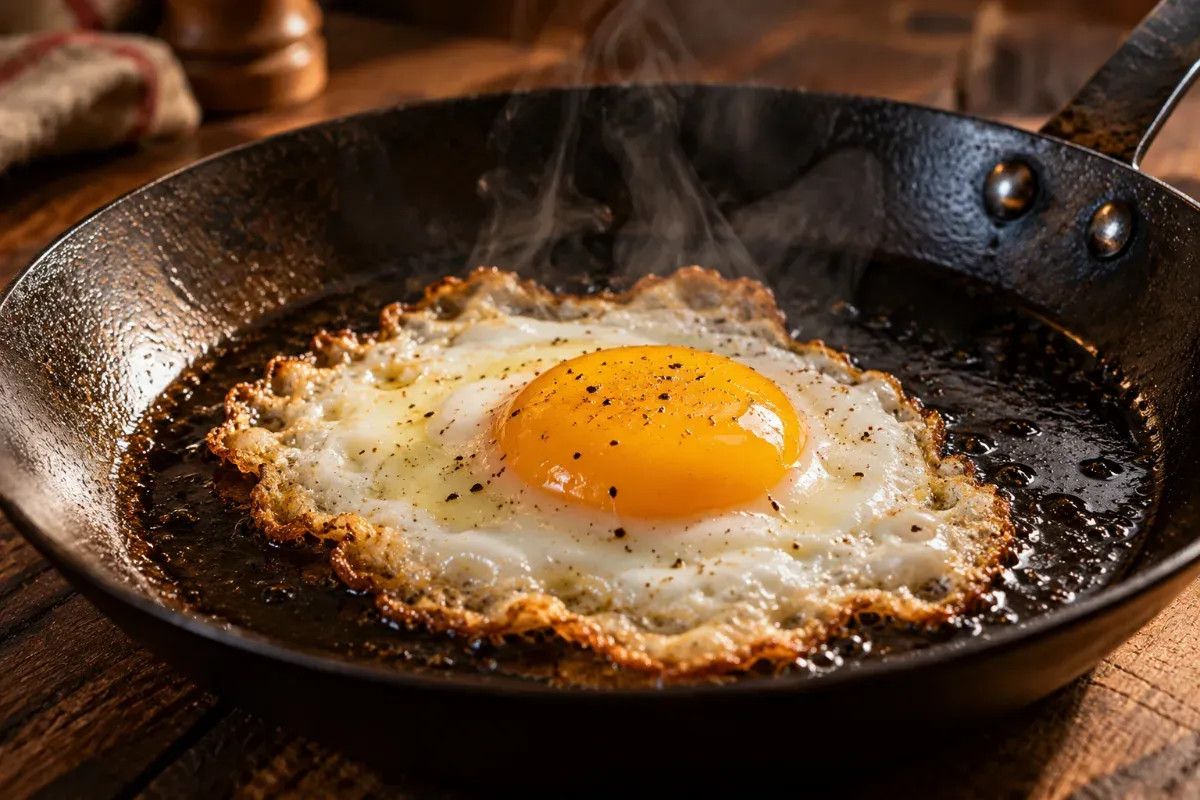
First, preheat. Set the pan on medium for a minute or two until a drop of water skitters and evaporates fast. A cold pan grabs egg protein on contact. Second, use fat. Add butter or oil and let it get hot and loose before the egg goes in. The fat fills the tiny texture of the surface and creates the slip layer that lets the egg lift away.
Crack the egg into the hot fat, let the base set for a moment, then leave it alone. Eggs release when they are ready, not when you poke them. For the full walk-through, see our guide on how to cook eggs in carbon steel. Do those two things and every pan on this list performs.
The choice of fat changes the result too. Butter gives fried eggs a rich, browned edge and helps with flavor, but it burns at lower heat, so keep the burner at medium. A neutral oil like grapeseed handles higher heat without smoking, which suits a hard-fried egg with crisp lacy edges. For a soft omelette, use butter and lower heat and pull the eggs while they still look slightly wet, since they carry on cooking off the heat. Match the fat and the heat to the egg you want, and the same pan turns out three different breakfasts.
Egg-pan comparison
Here is how the tested picks stack up on the features that matter for eggs.
| Pan | Size | Surface | Best for | Price |
|---|---|---|---|---|
| Armorbear nitrided | 10 in | Smooth, easy season | Budget eggs | $27 (verify) |
| Made In | 8 to 10 in | Smooth | Best overall | $100+ (verify) |
| Yonida | 10 in | Pre-seasoned | Oven-to-table | $30 (verify) |
| de Buyer 8 in | 8 in | Classic | Omelettes | $70 (verify) |
Our picks by need
To keep it simple: buy the Made In if you want the easiest path to reliable eggs and will pay for a finer finish. Buy the Armorbear nitrided if you want strong egg performance on a budget. Buy the de Buyer 8 inch if you want a dedicated pan for omelettes and single fried eggs.
Whichever you choose, pair it with good habits. A smaller, smoother pan makes eggs easier, but preheating and fat are what actually stop sticking. If you are new to the material, our guide for beginners covers the first month, and our frying pan overview helps you round out a set once eggs are handled.
Frequently asked questions
Q: What is the best carbon steel pan for eggs?
Q: What size carbon steel pan is best for eggs?
Q: Do smooth carbon steel pans release eggs better?
Q: Are nitrided pans good for eggs?
Q: Can any carbon steel pan cook eggs well?
The takeaway
Eggs reward a thoughtful buy and patient hands. Pick a pan sized to what you actually cook, favor a smoother surface, and give the seasoning a couple of weeks to mature. Then preheat, add fat, and let the egg do its own thing. Do that and clean release stops being luck and starts being your normal breakfast.