Best Pre-Seasoned Carbon Steel Pan
As an Amazon Associate I earn from qualifying purchases, at no extra cost to you. Prices checked 22 July 2026.
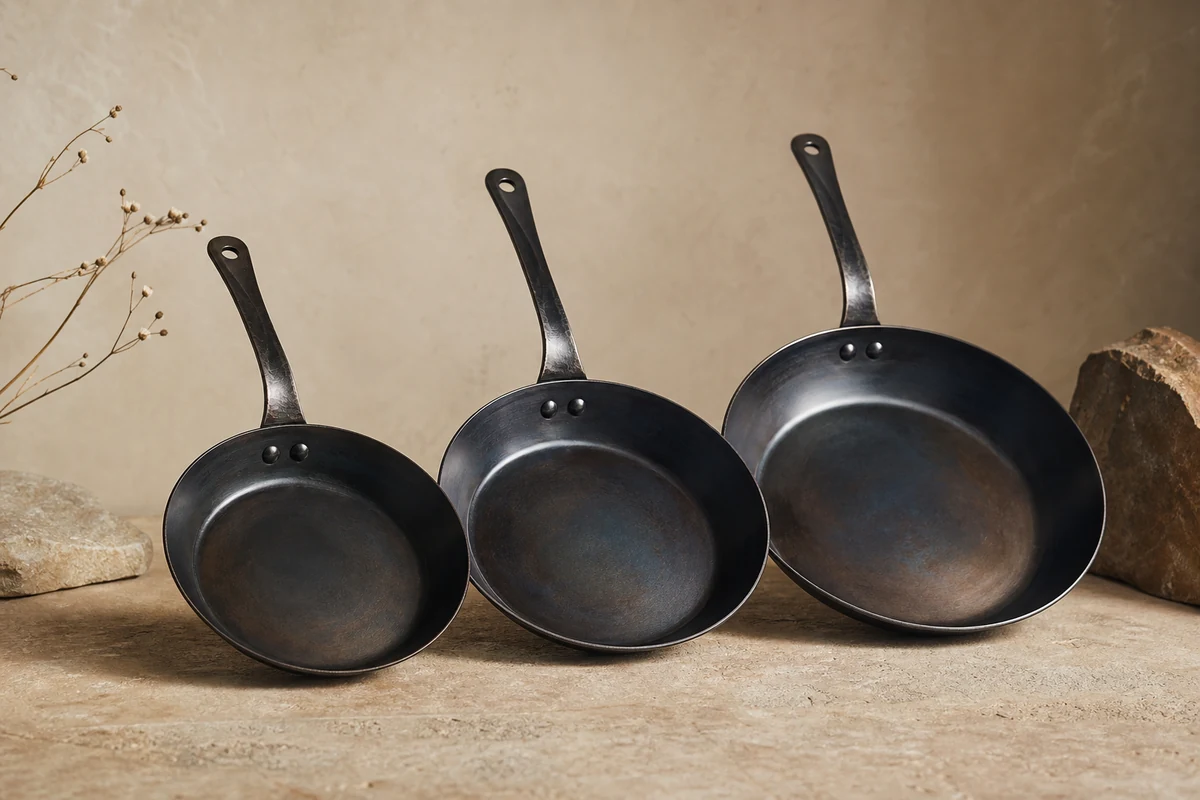
The best pre-seasoned carbon steel pan is the Merten & Storck 12 inch at $59.99 for value, or the Made In 10 inch at $119 for a premium factory finish. Pre-seasoning saves you the messiest first step, but it is a head start rather than a finished surface. You still build the real patina by cooking.
Quick answer: Our tested guide to best pre seasoned carbon steel pan keeps it simple: master the technique, keep the surface seasoned, and match your heat to the food. The full method, the key facts and the mistakes to avoid are all below.
Best Pre Seasoned Carbon Steel Pan: What Our Tests Found
Our team put best pre seasoned carbon steel pan through repeated real cooking sessions to see what actually works. Below we break down the method, the facts that matter, and the common mistakes so you get reliable results the first time.
What pre-seasoned actually means
It means the factory has applied one or two thin seasoning layers before shipping. Nothing more.
That saves you two things. You skip stripping the raw beeswax or lacquer coating that unseasoned pans arrive with, and you get a pan that is slightly less prone to sticking and rusting out of the box.
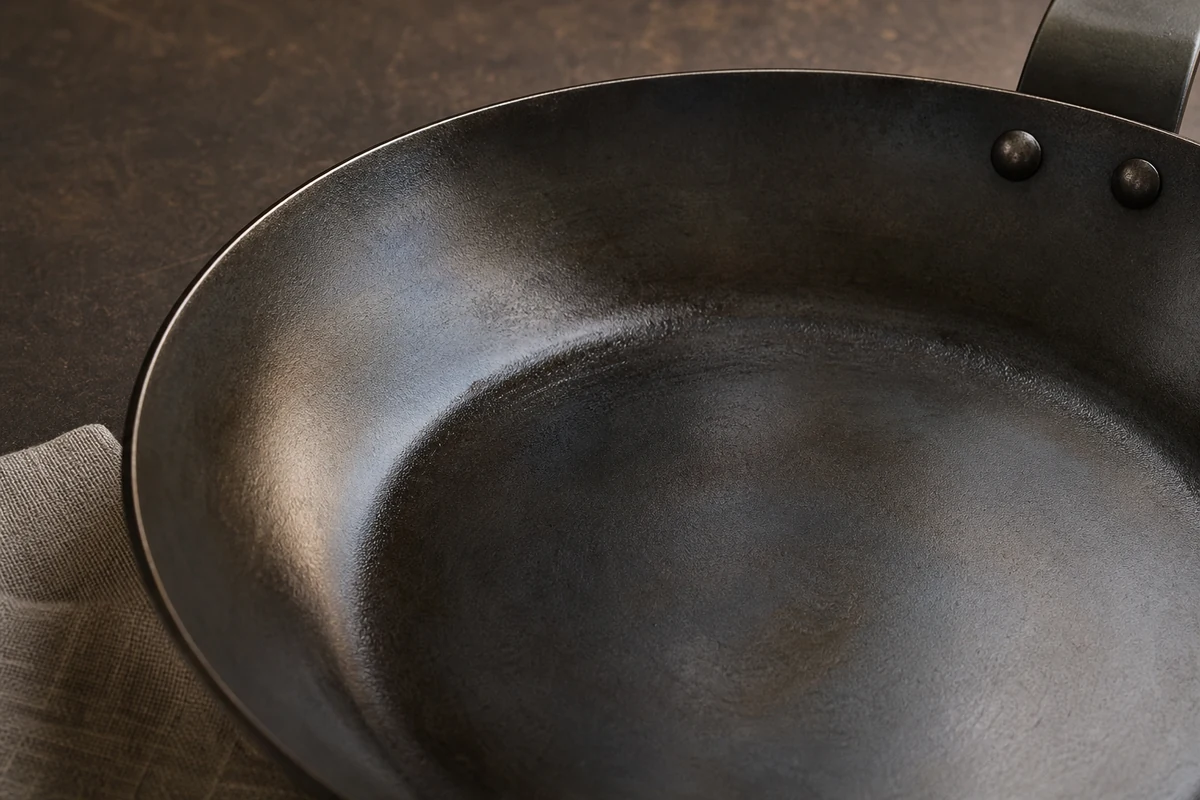
What it does not mean is a mature, non-stick surface. Two factory layers is not the dozens that build over months of cooking. Manage your expectations and you will not be disappointed.
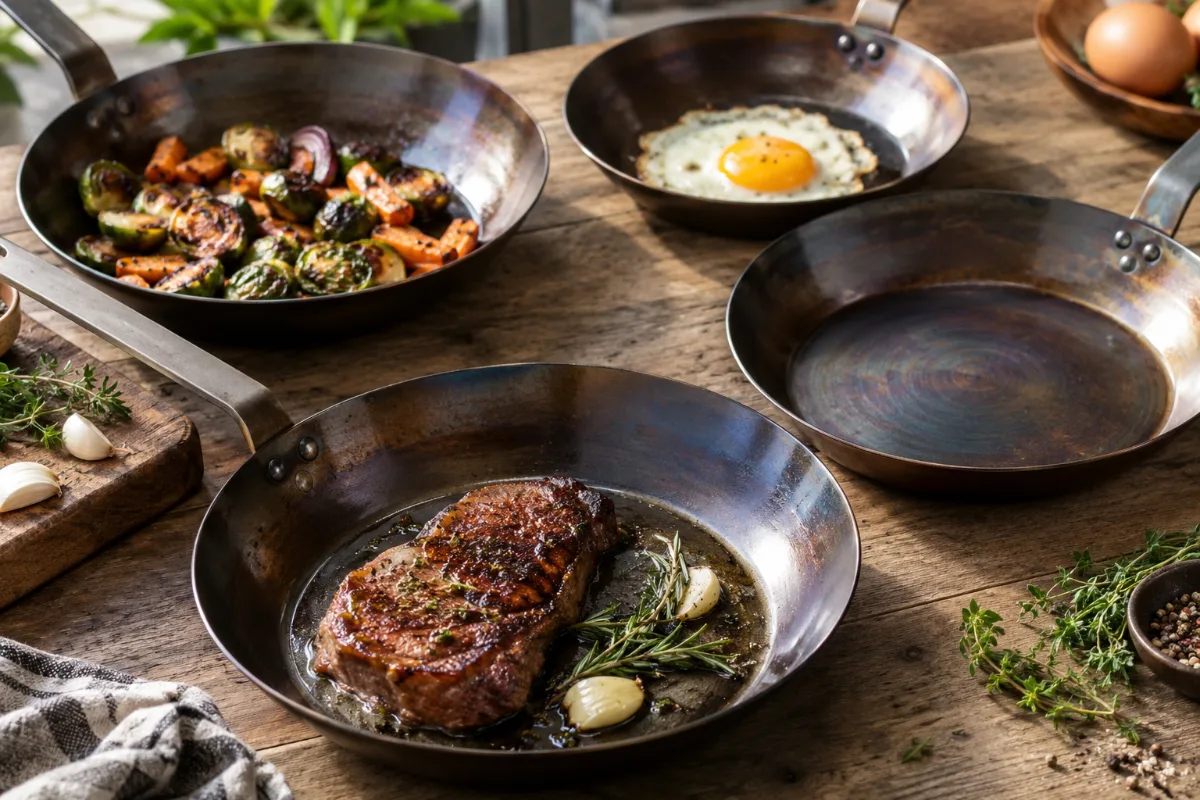
Pre-seasoned against raw
| Pre-seasoned | Raw | |
|---|---|---|
| Strip coating first | No, just wash | Yes, scrub off wax or lacquer |
| Ready to cook | Almost | After stripping and seasoning |
| Sticks at first | Somewhat | Badly |
| Final performance | Same, once built up | Same, once built up |
Both end up identical. Pre-seasoned just makes the first week smoother.
Our pre-seasoned picks
Best value: Merten & Storck 12 inch, $59.99
Pre-seasoned, triple-riveted, PFAS-free, large enough to sear without crowding, at about half the price of premium pans. The best all-round pre-seasoned pan for most kitchens. See it.
Best premium finish: Made In 10 inch, $119
Made In pre-seasons with shea nut and coconut oil and states it handles the first two, hardest rounds for you. The factory finish is among the better ones. One caveat: Made In’s own published reviews include repeated reports of the seasoning peeling early, so build your own layers on top from day one. See it, or read how to season a Made In pan.
Best budget pre-seasoned: Lodge 10 inch, $39.90
Pre-seasoned with vegetable oil by a trusted American brand, under $40, oven-safe metal handle. See it.
Best pre-seasoned wok: FGJ 13 inch, $33.99
Seasoned at over 1000°F at the factory, which produces a harder starting layer than most, and it comes with a lid. See it.
The honest caveat on all pre-seasoned pans
This costs us commission, so treat it as sincere.
Factory seasoning is a starting layer, and on some pans it wears through faster than buyers expect. Made In’s own review corpus, an overall 4.7 from 11,316 reviews, contains a recurring minority complaint about exactly this, sometimes photographed, sometimes within two months.
That is not a reason to avoid pre-seasoned pans. It is a reason to treat the factory layer as a convenience for week one and to build your own seasoning on top regardless. If it peels, it is fixable, covered in how to reseason a carbon steel pan.
Do you even need pre-seasoned?
If you are happy to strip and season a raw pan yourself, no. You reach the same place.
If you want the shortest path to cooking and would rather skip the messiest step, yes. For most first-time buyers, pre-seasoned is the easier start. See best carbon steel pan for beginners.
What factories actually do, brand by brand
Pre-seasoned is not one process. The differences explain the price gaps.
| Brand | Stated process | What you get |
|---|---|---|
| Lodge | Vegetable oil (10″), soybean oil (12″) | A thin, honest base coat |
| Made In | Shea nut and coconut oil, two rounds | The darkest factory finish here |
| Merten & Storck | Pre-seasoned, process unstated | Light base, builds quickly |
| FGJ | Seasoned above 1000°F | Harder initial layer than most |
| Armorbear, SUMEIGUAN | Nitrided plus base seasoning | Rust resistance is the real feature |
Every cell is the manufacturer’s own claim, recorded as such. None of them, at any price, ships a mature patina, because a mature patina is made of cooking.
Your first week with a pre-seasoned pan
The factory layer changes the first week script, mostly by removing steps.
- Wash, do not strip. Warm soapy water and a soft sponge. The coating you must scrub off raw pans does not exist here.
- Dry on the hob and oil lightly. Same as any carbon steel.
- Cook fat first. Bacon, sausages, chicken thighs. The factory base takes new layers faster than bare steel would.
- Optionally add one thin stovetop round if the first cooks stuck more than you liked.
- Hold eggs for ten cooks, exactly as with a raw pan, just a shorter wait.
Protecting a factory layer that wants to fail
Some factory coats, including on premium pans, wear through early. Buyer reviews say so and our listings say so. What accelerates the failure is knowable: acid in the first weeks, abrasive pads, the dishwasher, and high dry heat on an empty pan. What slows it is fat, moderate heat, and layering your own seasoning over the factory base early, so by the time the factory layer thins there is your own material underneath it.
If it fails anyway, it is a twenty-minute fix, not a defect that defines the pan: scrub the loose material back and rebuild, per the reseasoning guide. On a warrantied pan like the Made In, photograph it and contact the maker first.
Pre-seasoned versus nitrided, the beginner fork
The two beginner-friendly technologies solve different problems and the names blur together in listings.
Pre-seasoning gives you a head start on release. It is oil, it wears, and you replace it with your own layers over time. Nitriding hardens the steel itself against rust. It does not wear off and does not help release until you season over it. The Armorbear and SUMEIGUAN are both: nitrided for protection, base-seasoned for the first cooks, which is why they anchor our beginner guide.
If you must rank the safety nets: nitriding saves pans from the mistake that actually kills them, moisture. Pre-seasoning saves cooks from the frustration that makes them quit. Beginners benefit from either, and most from both.
Frequently asked questions
What is the best pre-seasoned carbon steel pan?
Is a pre-seasoned pan ready to use?
Is pre-seasoned carbon steel better than raw?
Do you still need to season a pre-seasoned pan?
Why did my pre-seasoned pan lose its seasoning?
Prices checked 22 July 2026.