Best Oil for Seasoning Carbon Steel
As an Amazon Associate I earn from qualifying purchases, at no extra cost to you.
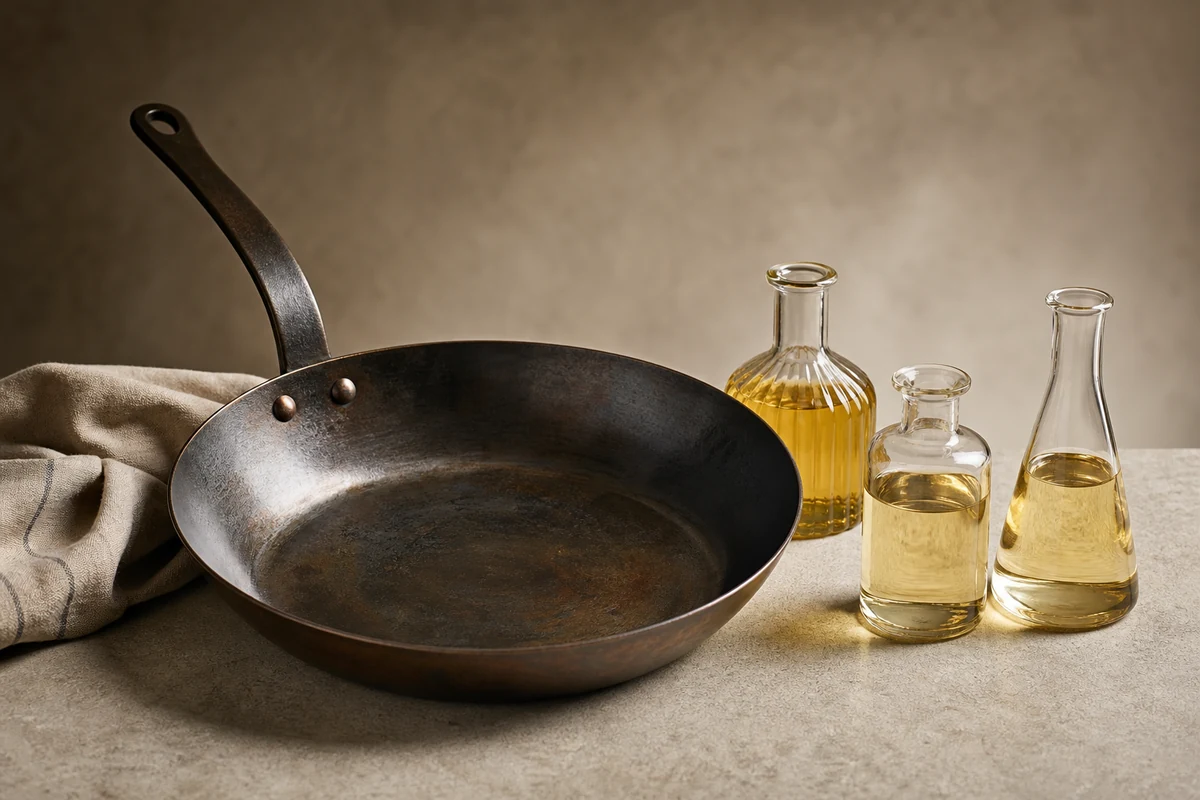
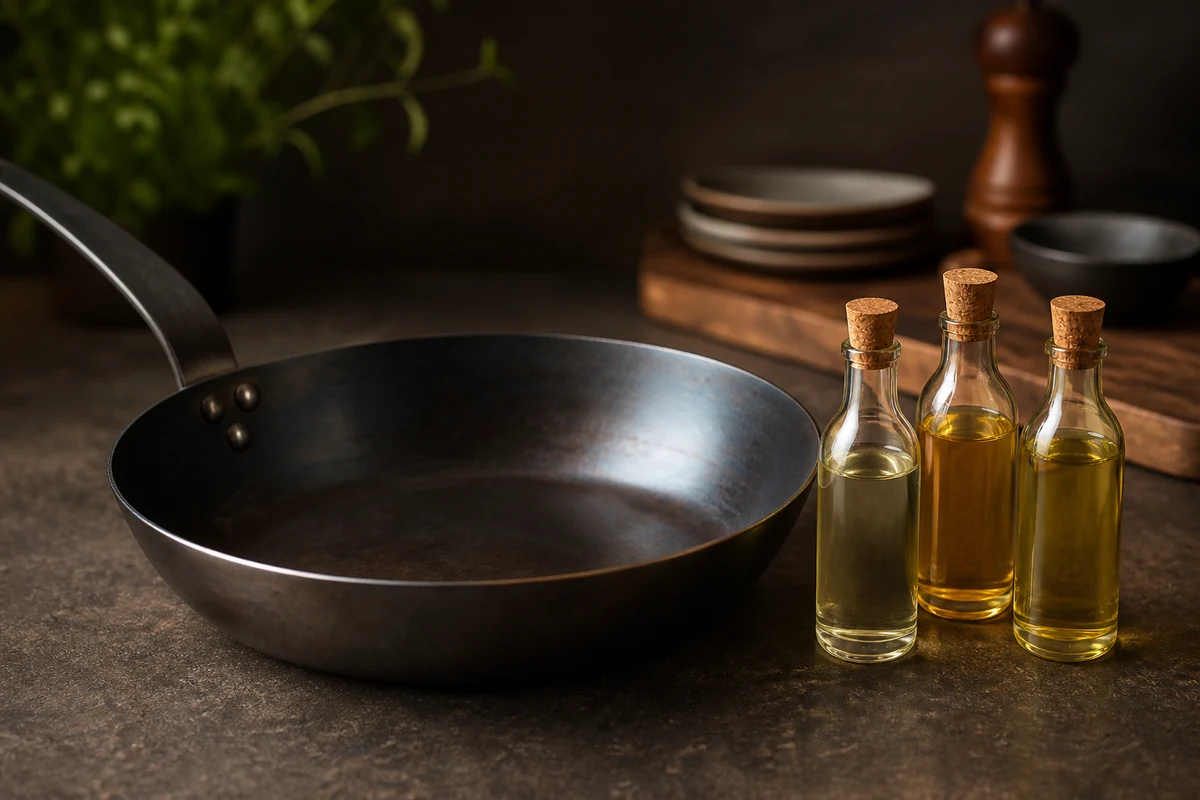
Grapeseed, canola, sunflower and avocado oil are the best choices for seasoning carbon steel, because they are neutral and have smoke points above 400°F. Flaxseed builds the hardest layer but flakes more readily. Avoid butter and olive oil, which burn before they polymerise properly.
Quick answer: Our tested guide to best oil for seasoning carbon steel keeps it simple: master the technique, keep the surface seasoned, and match your heat to the food. The full method, the key facts and the mistakes to avoid are all below.
Best Oil For Seasoning Carbon Steel: What Our Tests Found
Our team put best oil for seasoning carbon steel through repeated real cooking sessions to see what actually works. Below we break down the method, the facts that matter, and the common mistakes so you get reliable results the first time.
What makes an oil good for seasoning
Two things matter, and only two.
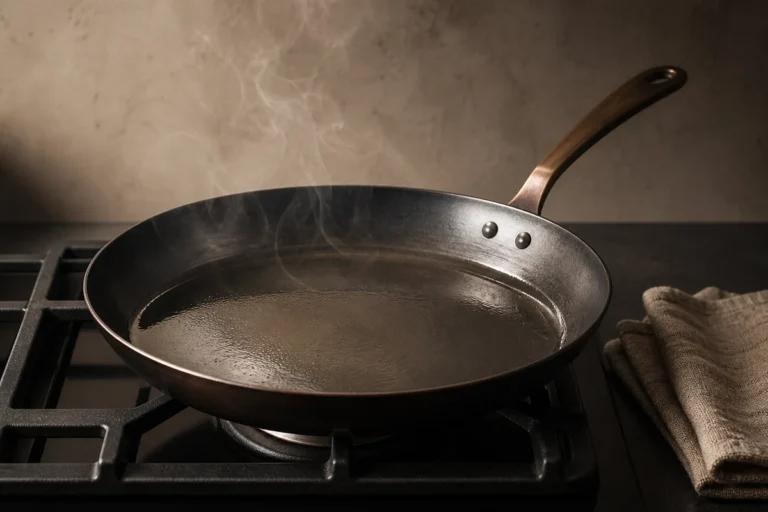
Smoke point. Oil has to pass its smoke point to polymerise. If your pan never smokes, you have warm oil on steel, and that cools into a sticky film. A higher smoke point gives you more margin.
Fat composition. Polyunsaturated fats polymerise more readily than saturated ones. This is why flaxseed, which is heavily polyunsaturated, forms such a hard layer.
Flavour does not matter. It burns off. Neutral oils are recommended because they are cheap and available, not because taste survives the process.
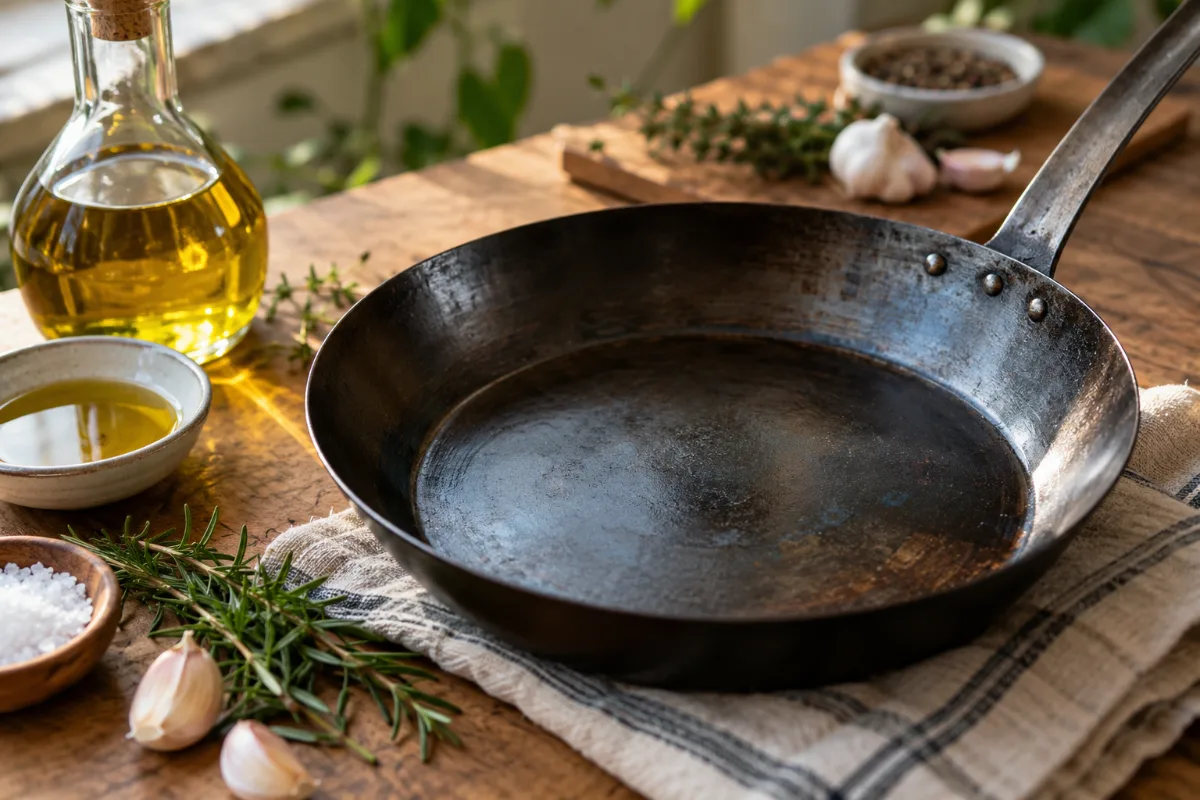
The oils compared
| Oil | Smoke point | Hardness | Cost | Verdict |
|---|---|---|---|---|
| Grapeseed | 420°F | Good | Medium | Best all-round choice |
| Canola | 400°F | Good | Low | Best value |
| Sunflower | 440°F | Good | Low | Excellent, widely available |
| Avocado | 520°F | Good | High | Highest margin, hard to justify |
| Vegetable blend | 400°F | Good | Low | Fine. Lodge uses it |
| Soybean | 450°F | Good | Low | Fine. Lodge uses it too |
| Flaxseed | 225°F | Very hard | High | Hardest layer, flakes most |
| Olive oil | 375°F | Soft | Medium | Usable, not recommended |
| Butter | 300°F | Poor | Medium | No. Milk solids burn |
| Coconut | 350°F | Moderate | Medium | Workable, low margin |
Smoke points vary with refinement. Refined grapeseed sits higher than unrefined. Treat these as typical published values rather than fixed constants.
The flaxseed argument
Flaxseed gets recommended more than any other oil, and the recommendation deserves scrutiny.
The case for it is real. Flaxseed is highly polyunsaturated, so it polymerises into a genuinely harder, glossier layer than anything else on the list.
The case against is also real, and it is the part that gets left out. Hard means brittle. Flaxseed seasoning flakes off in sheets more readily than a softer layer from grapeseed or canola. Plenty of people have built a beautiful flaxseed finish and watched it peel three months later.
Its smoke point is also the lowest here at around 225°F, which means it burns rather than polymerising if you are heavy-handed with the heat.
Our view: skip it for a first pan. A softer, more forgiving layer that stays put beats a hard one that flakes.
What manufacturers actually use
Worth knowing, because these companies have a commercial reason to get it right.
- Lodge seasons the 10 inch skillet with vegetable oil and the 12 inch with soybean oil.
- Made In uses a blend of shea nut oil and coconut oil.
None of them uses flaxseed. Draw your own conclusion.
Cooking oil is a separate question
These two get conflated constantly.
For seasoning, you want a high smoke point and a neutral character, applied in a film so thin the pan looks dry.
For cooking, use whatever suits the dish. Butter is excellent in a carbon steel pan for flavour. Add it late, after the pan has done its searing work, rather than at the start where it will burn.
Every fatty thing you cook adds seasoning regardless of the oil. Bacon fat seasons a pan beautifully and it is free.
How much to use
Less than feels right. This is the single most common mistake.
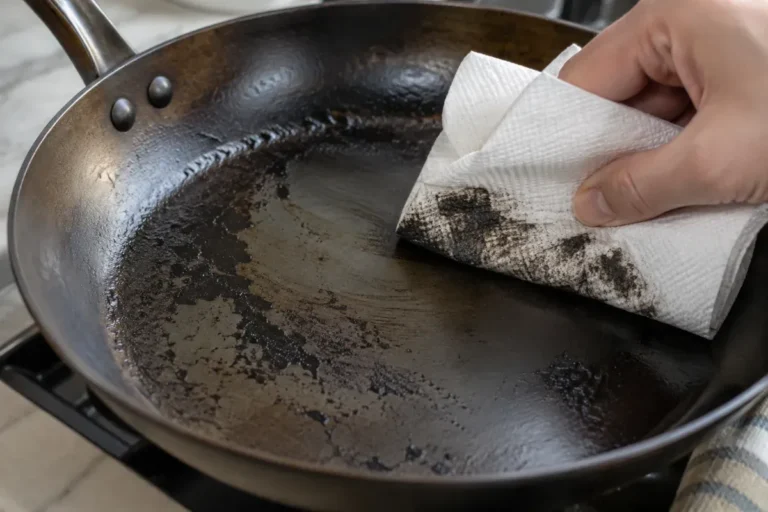
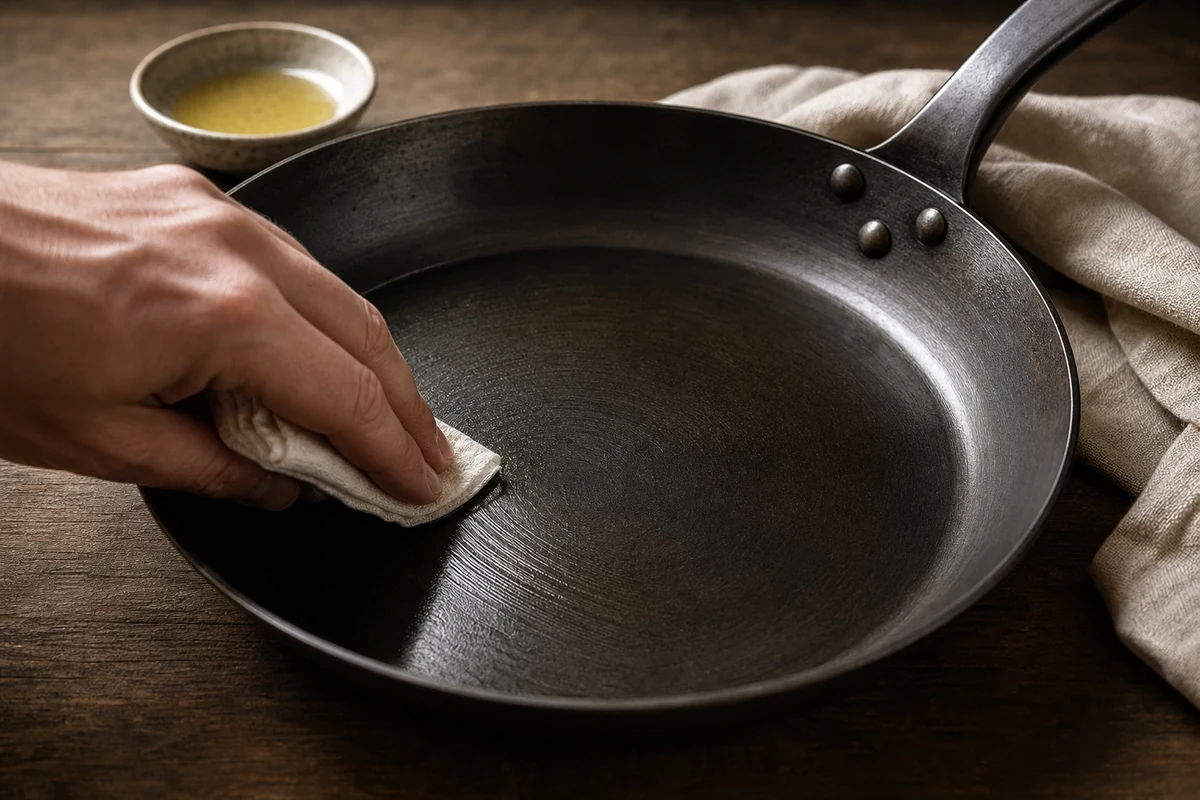
About half a teaspoon in a 10 inch pan. Spread it everywhere, then wipe it back until the surface looks almost dry. No shine, no pooling, no beads.
Too much oil cannot polymerise through its full depth. The top sets, the underside stays gummy, and you get the sticky finish that sends people looking for answers.
Full method in how to season a carbon steel pan.
Does the oil choice actually matter?
Less than the internet suggests.
Technique matters far more. A thin coat of cheap canola heated properly beats a thick coat of expensive avocado heated timidly, every time.
If you have sunflower oil in the cupboard, use it. Do not order a specialist product to start.
Pans that need less of this
Choosing an oil matters most on bare steel. It matters less if the factory has already done a layer for you. The Lodge 10 inch at $39.90 and the Merten & Storck 12 inch at $59.99 both ship seasoned, so your first coat is maintenance rather than construction. Bare pans like the de Buyer MINERAL B Pro need the beeswax stripped off and a proper first season before you cook anything wet in them.
Frequently asked questions
What is the best oil for seasoning a carbon steel pan?
Is flaxseed oil good for seasoning carbon steel?
Can you season a pan with olive oil?
Can you use butter to season a carbon steel pan?
How much oil should you use when seasoning?
Smoke points vary by refinement and brand. Figures are typical published values. Last checked 22 July 2026.