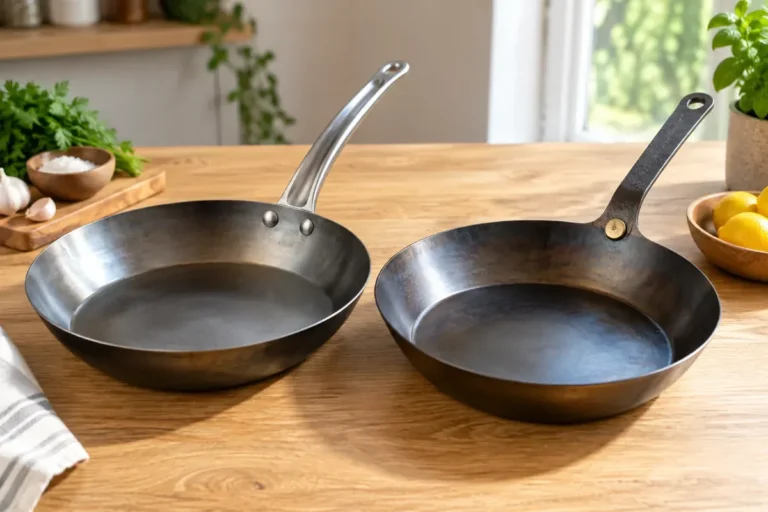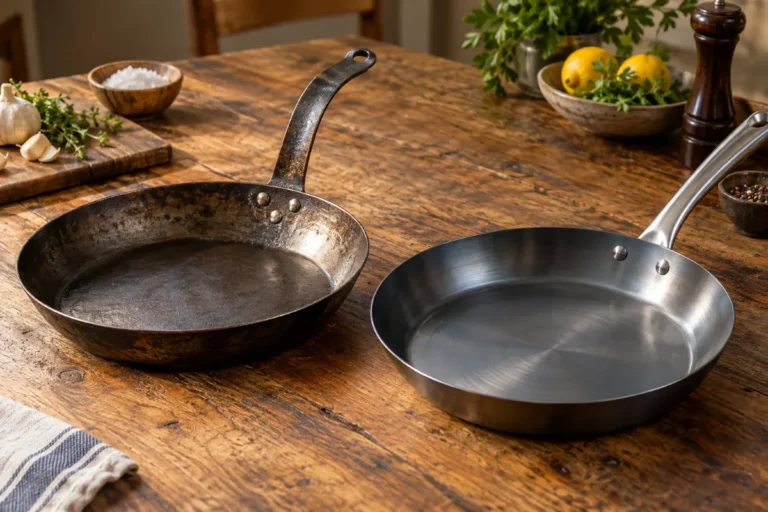
French vs American vs Chinese Carbon Steel Makers
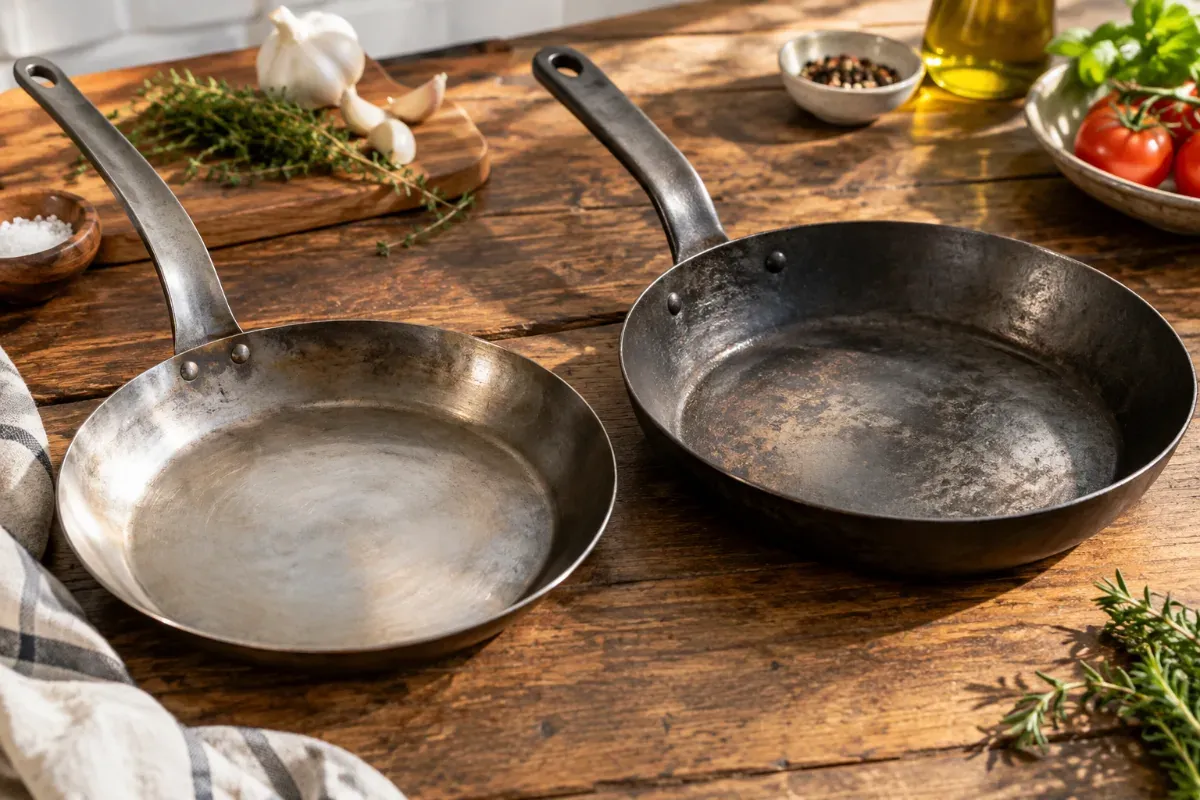
By the Carbon Steel Pan test team · Last updated September 2026
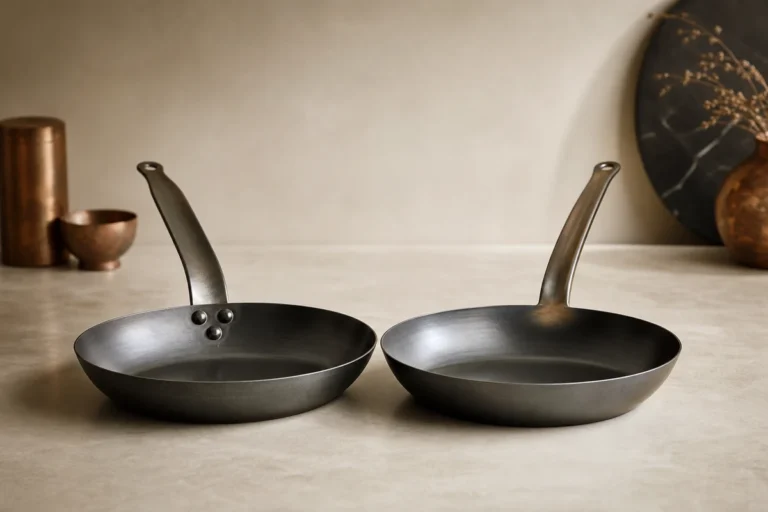
French makers like de Buyer, Matfer, and Mauviel set the standard for carbon steel skillets, with long traditions and refined handles. American brands like Lodge and Made In focus on value and modern design. Chinese and Japanese makers such as Yosukata lead on woks. Origin reflects tradition and strengths more than a simple quality ranking, so buy for the pan type and features you want.
The French vs American carbon steel question, with Chinese and Japanese woks in the mix, comes up a lot for buyers comparing brands by country. It is easy to assume a French pan must beat an American one, or that a wok is only real if it comes from China. The truth is more useful than that. Each region built its carbon steel tradition around different food and different kitchens, and that history tells you what each does best. Here is how to read origin without the snobbery.
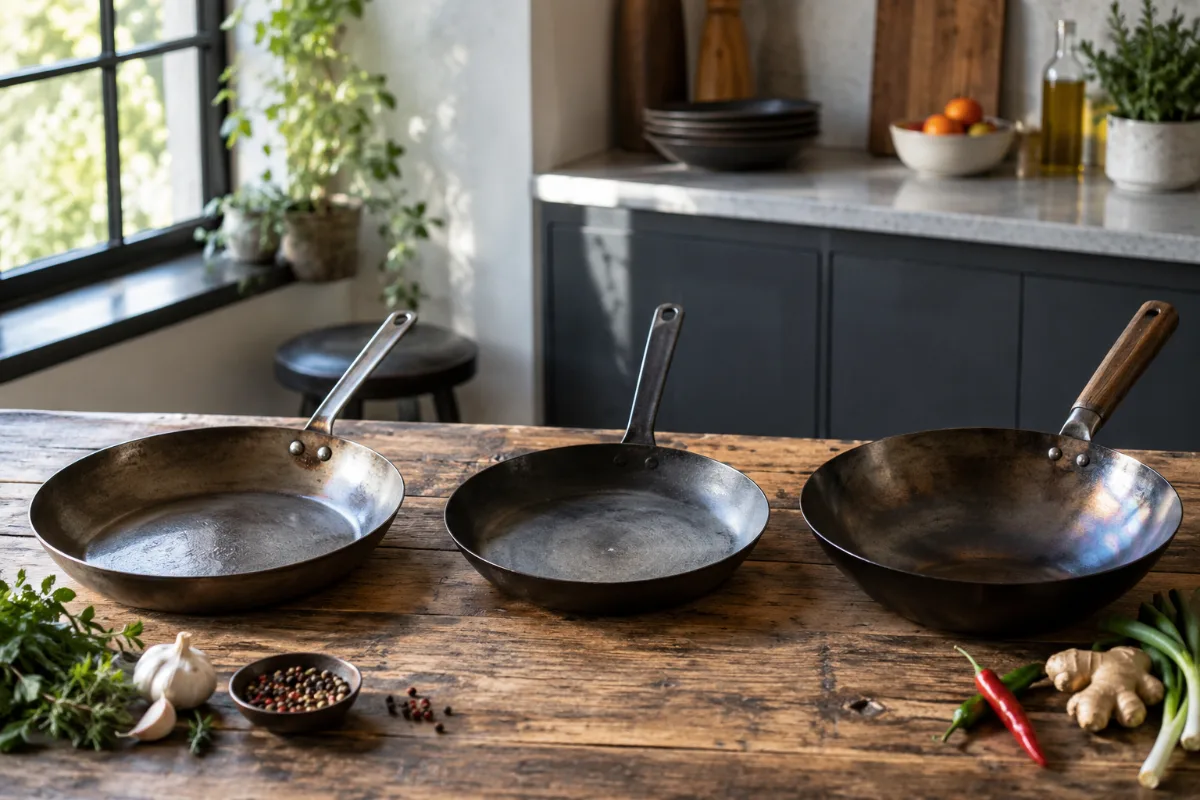
Quick answer: Our tested guide to french vs american carbon steel keeps it simple: master the technique, keep the surface seasoned, and match your heat to the food. The full method, the key facts and the mistakes to avoid are all below.
French Vs American Carbon Steel: What Our Tests Found
Our team put french vs american carbon steel through repeated real cooking sessions to see what actually works. Below we break down the method, the facts that matter, and the common mistakes so you get reliable results the first time.
Does origin actually matter?
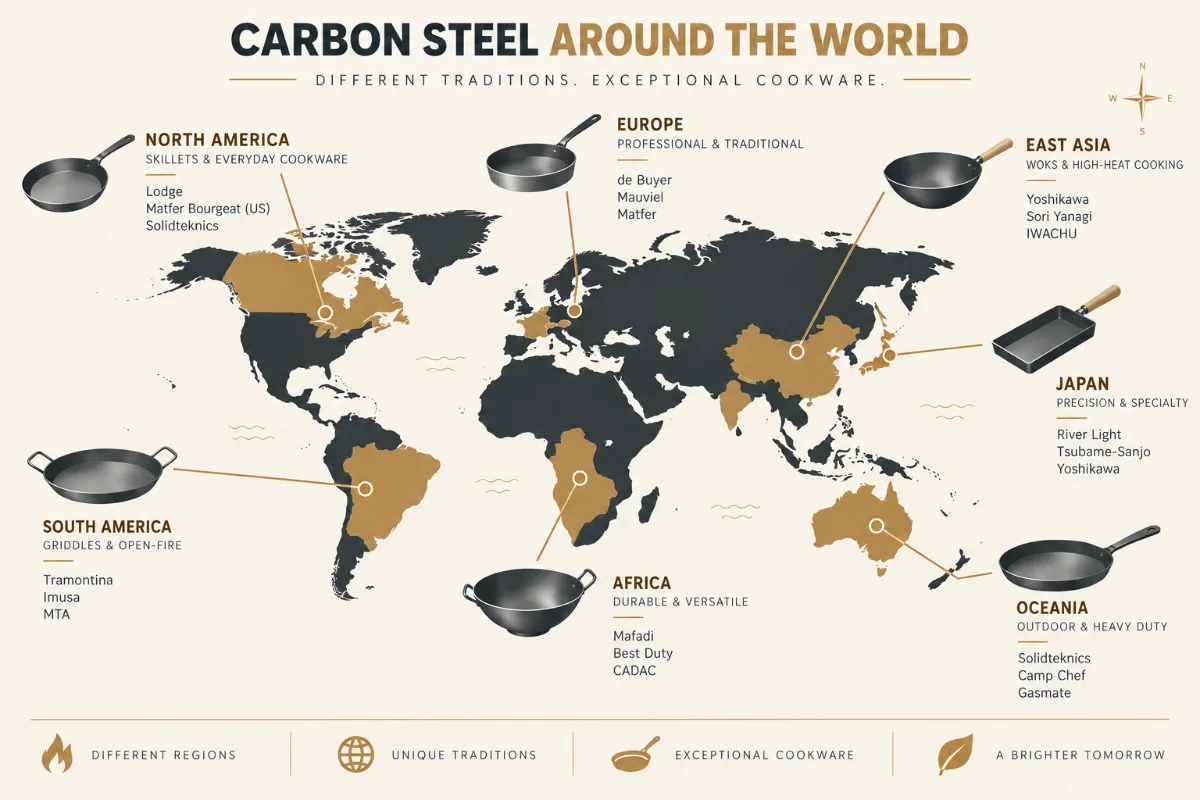
Origin matters, but not the way marketing suggests. It does not sort pans into a strict quality ladder where French sits on top and everything else falls below. What it does is reflect tradition and specialty. Each region refined its carbon steel around the cooking its people do, so origin tells you where a maker’s strengths lie.
France built its reputation on skillets for classic Western cooking: searing, sautéing, pan sauces. Its makers have decades, in some cases more than a century, of skillet-making behind them. The USA came to carbon steel with a value mindset and modern manufacturing, offering solid pans at fair prices. China and Japan perfected the wok over centuries of high-heat stir-fry, so their makers understand wok shape and steel gauge in a way skillet brands do not.
Read origin as a clue to specialty, not a verdict on quality. A well-made pan from any of these traditions will cook well and last for years. The question is not which country is best, but which country’s strength matches the pan you need.
French carbon steel: the skillet standard
France is where the carbon steel skillet reached its refined form, and its brands remain the reference point for the category.
The brands
Three French names lead the field. de Buyer offers a wide range with different handle styles and steel thicknesses, from the classic Mineral B to heavier pro lines. Matfer Bourgeat is a professional-kitchen fixture, known for its welded, rivet-free handle and smooth interior. Mauviel builds heavier pans prized for heat stability and has earned praise from America’s Test Kitchen for its M’Steel line (verify current status). Together they define what a premium skillet looks like.
What they do best
French makers excel at the skillet as a precision tool. Their pans tend to have refined, comfortable handles, consistent surfaces, and thoughtful steel gauges chosen for even heat and warp resistance. The tradeoff is price: these are premium pans, and you pay for the finish and the heritage.
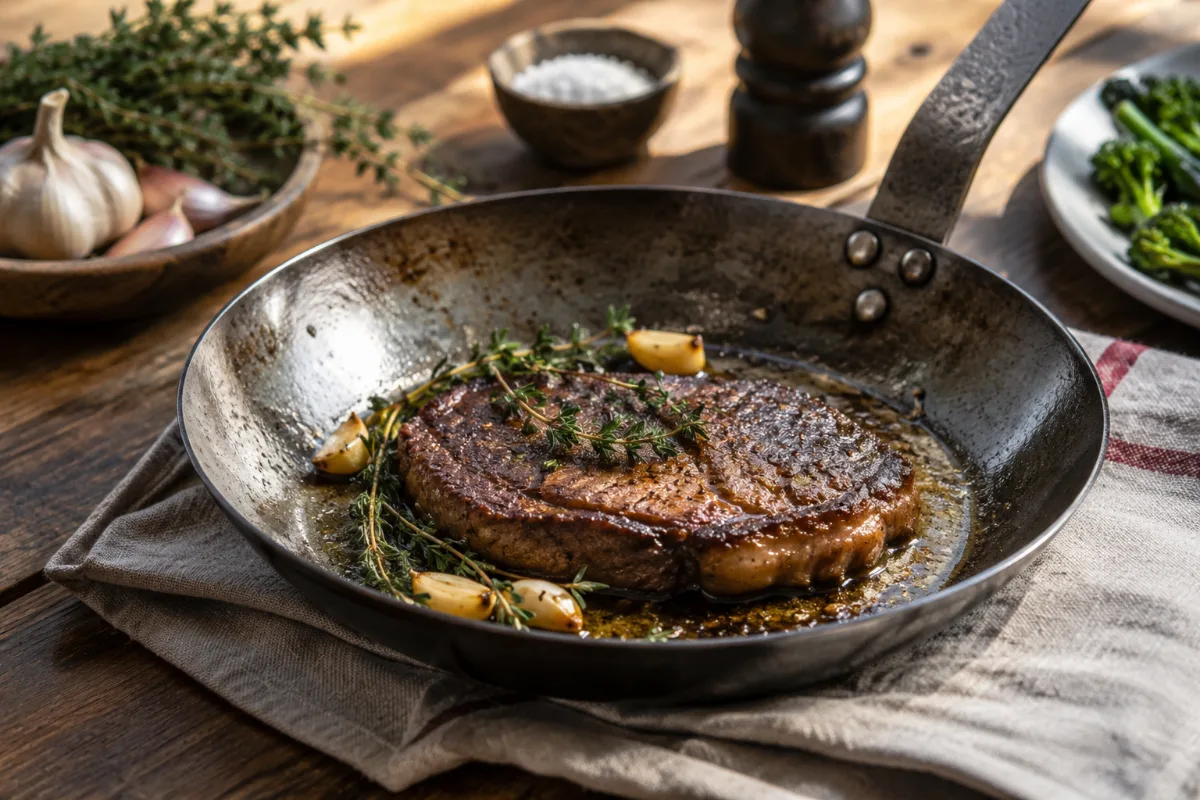
If you want a skillet for searing steak, browning chicken, building pan sauces, or cooking eggs once the pan is seasoned, French carbon steel is the benchmark. It is the tradition to buy into when finish and handle comfort matter to you and the budget allows. Our de Buyer vs Matfer Bourgeat comparison digs into how two of these brands differ.
American carbon steel: value and design
American brands came to carbon steel later than the French, and they brought a different set of priorities: accessible pricing and modern design.
Lodge is the value leader. The same American company famous for cast iron makes a carbon steel line that is pre-seasoned, sturdy, and priced so almost anyone can try the material. Its surface starts rougher than a French pan and smooths with use, but the cooking is fully capable and the price is hard to beat. For a first carbon steel pan, it is a natural starting point.
Made In takes a more design-forward path, offering a smoother surface and a shaped, comfortable handle at a mid-to-premium price. It aims to give the polish of a European pan with modern support and branding. The result sits between budget and luxury, appealing to cooks who want a refined pan without the top-tier French price.
American carbon steel is the tradition to look at when value or modern design leads your thinking. Lodge wins for cost and US manufacture; Made In for a considered, contemporary pan. Both are quality tools, and our best budget carbon steel pan guide shows where they land against the field.
Chinese and Japanese woks
For woks, the expertise shifts east. Chinese and Japanese makers have shaped and re-shaped the wok over centuries of high-heat cooking, and it shows in the pans they build.
Yosukata is a well-regarded example, making flat-bottom carbon steel woks sized and gauged for home kitchens, including models that work on induction. Craft Wok is another name serious stir-fry cooks reach for, offering traditional shapes at fair prices. These makers understand the details that matter in a wok: the depth for tossing, the slope of the sides that funnels food back to the center, and the steel gauge that balances quick heating against heat stability.
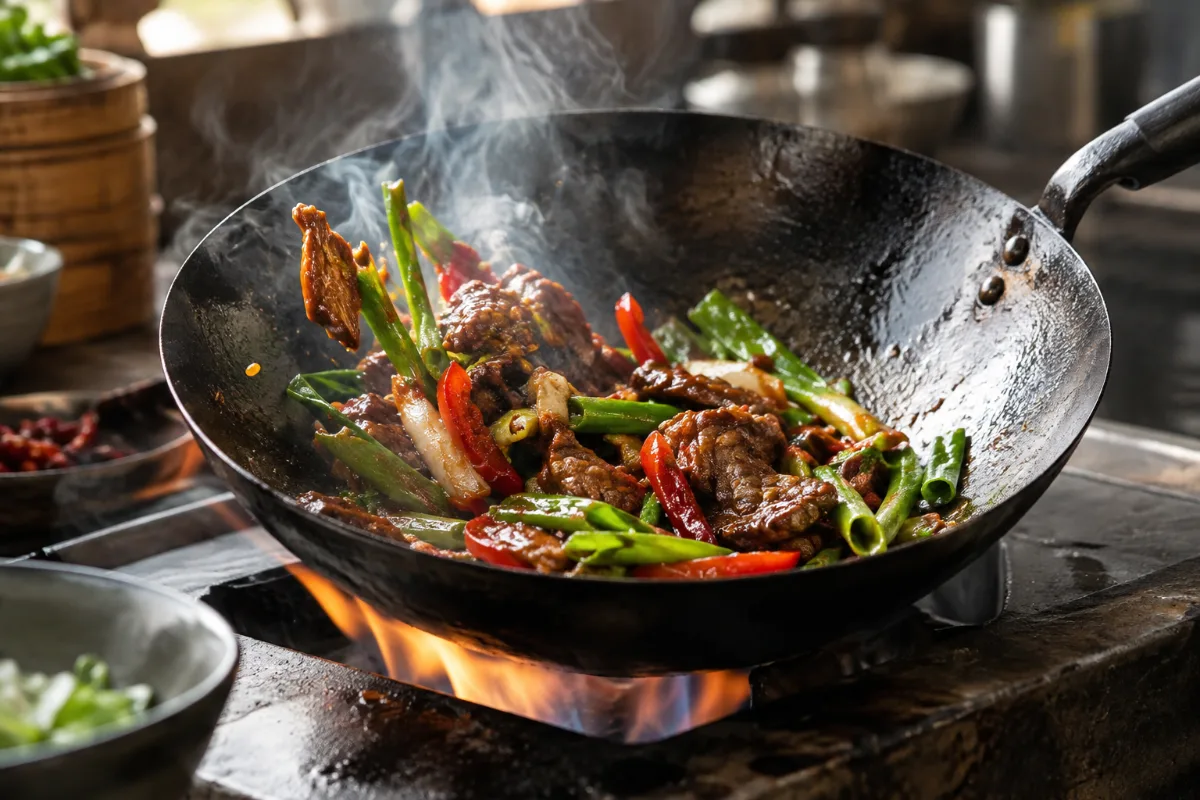
A skillet brand can make a wok, but it rarely matches a maker steeped in the form. If stir-fry, fried rice, and high-heat cooking are your goal, a wok from a dedicated Chinese or Japanese maker is the smart buy. To see how one leading brand’s models compare, read our Yosukata wok review, and for shape and stove pairing, our flat-bottom vs round-bottom wok guide.
How to choose across origins
The clean way to choose is to ignore the flag and start with the pan. Decide what you are cooking and what features you care about, then let that point you to the tradition that does it best.
Start with pan type. If you want a skillet for Western cooking, look first at French makers, then at American brands if value or modern design appeals. If you want a wok for stir-fry, look to Chinese or Japanese makers built around the form. Matching the pan type to the region’s specialty gets you most of the way there.
Then weigh your budget and priorities. A premium skillet with a refined handle points to France. A capable pan for less points to Lodge. A modern skillet with good support points to Made In. A serious wok points east. None of these choices is wrong, because none of these traditions makes a bad pan. You are choosing a strength, not avoiding a weakness.
Here is the split at a glance.
| Origin | Known for | Example brands |
|---|---|---|
| France | Premium skillets, tradition | de Buyer, Matfer, Mauviel |
| USA | Value, modern design | Lodge, Made In |
| China / Japan | Woks, stir-fry | Yosukata, Craft Wok |
Use the table as a starting map, then read the individual reviews for the model that fits your kitchen.
What quality looks like, regardless of origin
Once you know which tradition to shop, judge the individual pan on its merits rather than its passport. A few markers signal a well-made carbon steel pan no matter where it comes from.
Look at the steel gauge first. A pan too thin will warp under high heat and lose temperature the moment food hits it; a pan with sensible gauge holds its shape and its heat. Check the surface next. A smoother interior seasons more evenly and releases food sooner, though a rougher pan smooths with use, so texture matters most on day one. Then weigh the handle. A comfortable, securely attached handle, whether riveted or welded, makes daily cooking better and lasts the life of the pan.
These traits show up across all three traditions. A good French pan and a good American pan share them; a poorly made pan from either falls short on the same points. So use origin to find the right specialty, then inspect the actual pan for gauge, surface, and handle. That two-step approach beats buying on the flag alone.
What each tradition typically costs
Price tracks tradition as much as quality, and knowing the rough tiers helps you shop without sticker shock. French skillets sit at the premium end, reflecting their finish, handles, and heritage rather than better cooking once seasoned. American pans span a wide range: Lodge anchors the value end, while Made In reaches into premium territory with modern design. Chinese and Japanese woks are often strong value, since the form is made in volume and the makers compete hard on price.
The takeaway is not that cheaper is worse or pricier is better. A budget American pan and a premium French pan will both sear a steak well once broken in. What you pay extra for at the top is finish, handle comfort, and the pleasure of a refined tool, not a jump in cooking performance. Set your budget against what you value, and the origin that fits will usually be clear. Our best budget carbon steel pan guide shows how far a modest spend goes.
Our take by need
To make it concrete, here is where we point cooks based on what they want. For a premium everyday skillet you will keep for decades, a French pan from de Buyer, Matfer, or Mauviel is the benchmark buy. For a first carbon steel pan or a value-focused kitchen, Lodge from the USA is the sensible start, with Made In as the step up for a smoother, modern feel. For stir-fry and high-heat wok cooking, a Chinese or Japanese wok from a maker like Yosukata is the pan built for the job.
Origin is a guide to specialty, and the specialty is what you are really buying. Brand histories from official sources, America’s Test Kitchen’s brand comparisons, and culinary history writing on carbon steel traditions all support this read. Choose by the pan and the food, and the country sorts itself out.
One more practical note for buyers building a kitchen. You do not have to stay loyal to a single origin. Many happy cooks own a French skillet for searing and a Chinese or Japanese wok for stir-fry, because each tool comes from the tradition that does it best. Mixing origins is not a compromise; it is the smart way to get the right pan for each job. Buy the skillet from the skillet makers and the wok from the wok makers, and your kitchen ends up stronger than if you forced one brand or one country to cover everything.
Frequently asked questions
Are French carbon steel pans better?
Is American carbon steel good?
Where do the best woks come from?
Does country of origin affect quality?
Which origin should I buy from?
The bottom line
The French vs American carbon steel comparison, woks included, is a map of strengths, not a scoreboard. France leads on refined skillets and tradition, the USA on value and modern design, and China and Japan on woks built for stir-fry. A quality pan from any of these traditions will cook well and last. So skip the snobbery, start with the pan and the food you want to make, and let the region’s specialty guide you to the right maker. Our overview of carbon steel frying pans is a good next step for narrowing down a skillet across all three traditions.