How to Care for a Carbon Steel Pan
As an Amazon Associate I earn from qualifying purchases, at no extra cost to you.
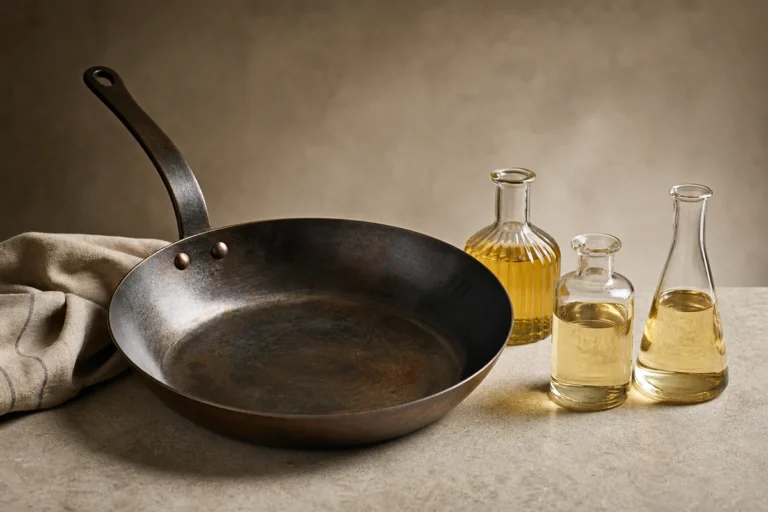
Caring for a carbon steel pan comes down to three rules: keep it dry, keep it lightly oiled, and keep acid out of it. Everything else is detail. The routine takes under two minutes after each use and the pan will outlive you.
Quick answer: Our tested guide to how to care for a carbon steel pan keeps it simple: master the technique, keep the surface seasoned, and match your heat to the food. The full method, the key facts and the mistakes to avoid are all below.
How To Care For A Carbon Steel Pan: What Our Tests Found
Our team put how to care for a carbon steel pan through repeated real cooking sessions to see what actually works. Below we break down the method, the facts that matter, and the common mistakes so you get reliable results the first time.
The three rules
Keep it dry
Carbon steel is roughly 99% iron. Iron plus water equals rust, and it starts within hours rather than days.
This means drying on the hob rather than on a rack, never soaking, and never leaving it wet in a cupboard. It also means putting a paper towel between nested pans, because trapped moisture between two surfaces is a rust source people rarely trace.
Keep it lightly oiled
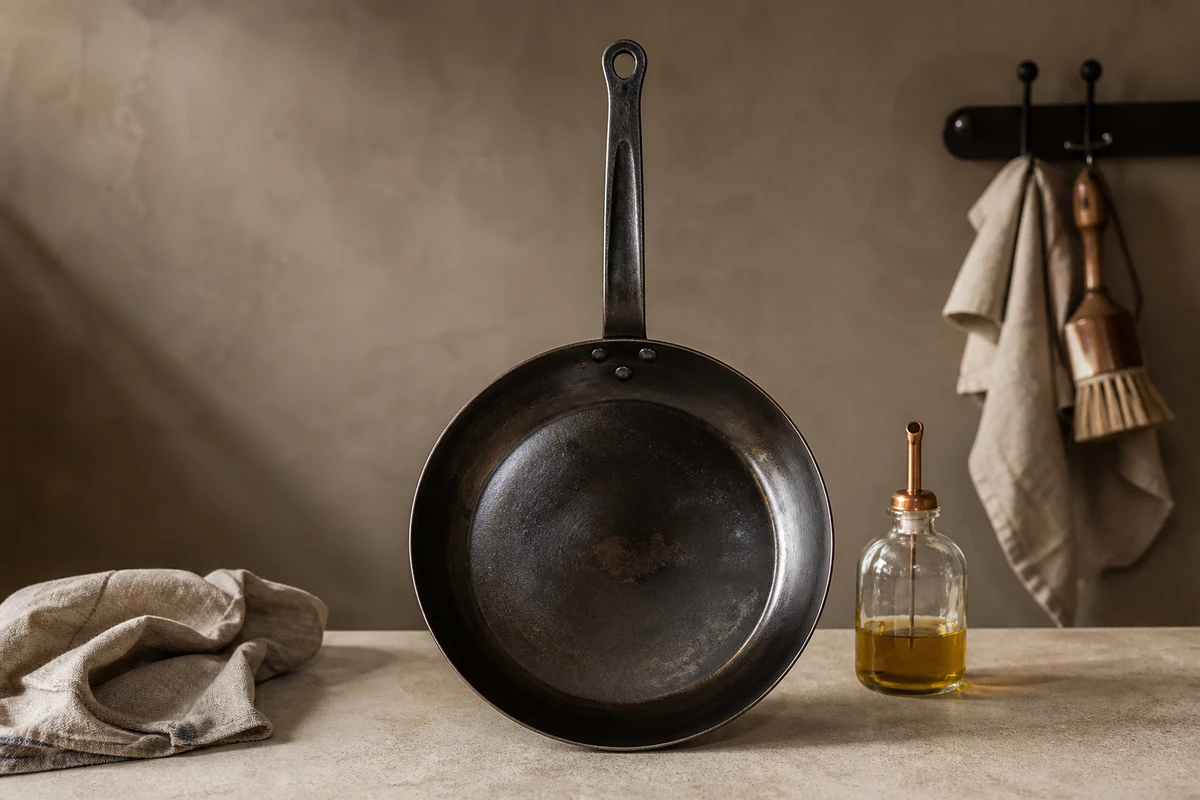
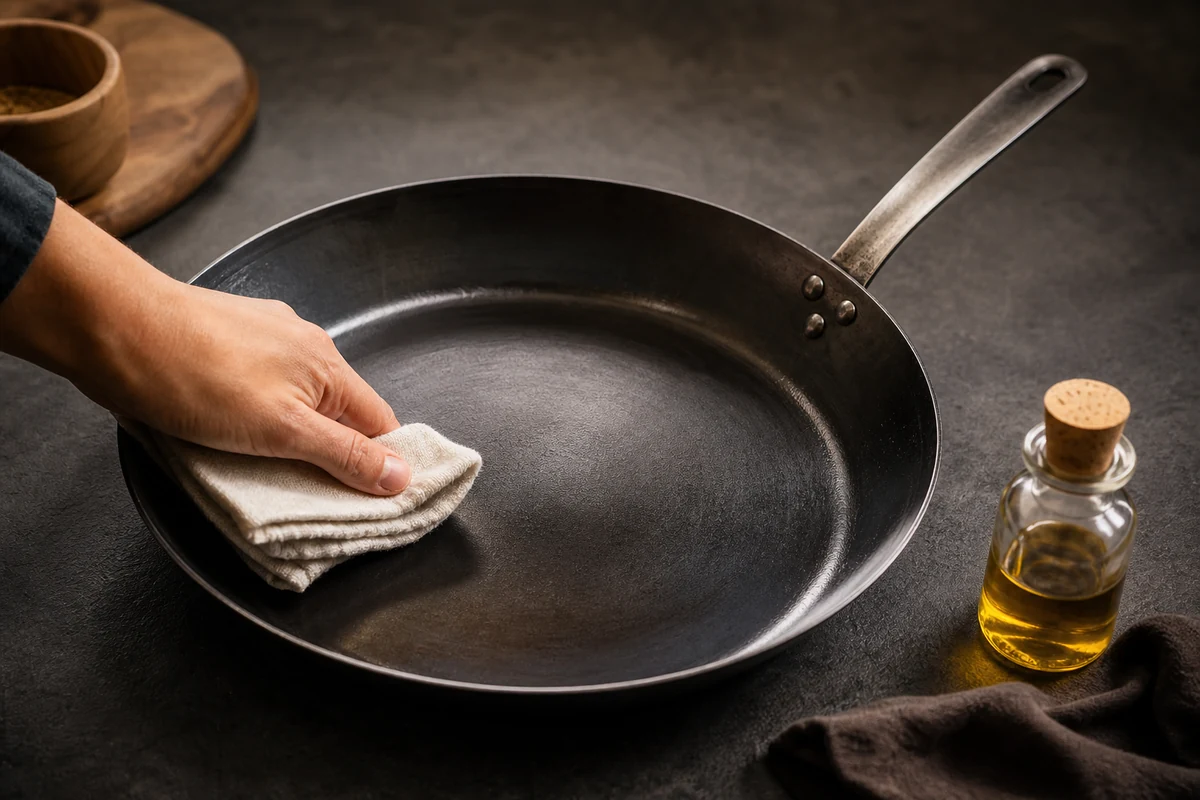
A very thin film of oil after each wash keeps moisture off the steel. Wipe it back so nothing pools. Excess oil goes rancid and turns sticky.
Keep acid out
Tomatoes, wine, vinegar and citrus dissolve seasoning. A long simmer will strip layers and can leave a metallic taste. Deglaze quickly and get the liquid out, or use stainless for acidic work.
Daily routine
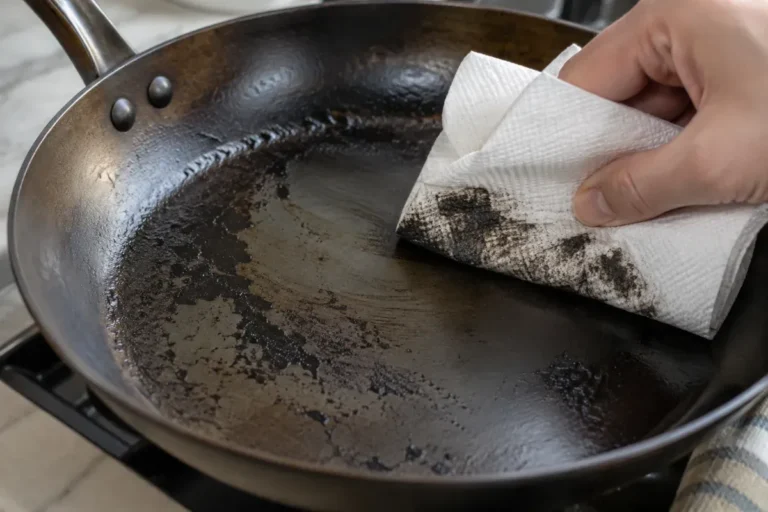
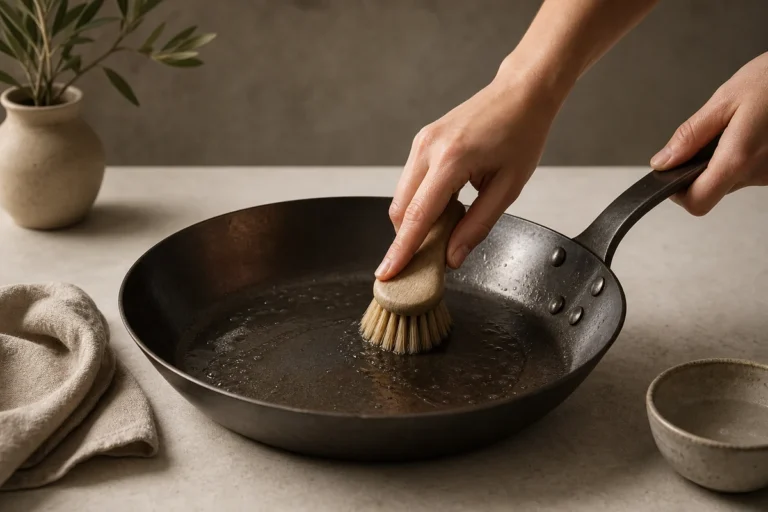
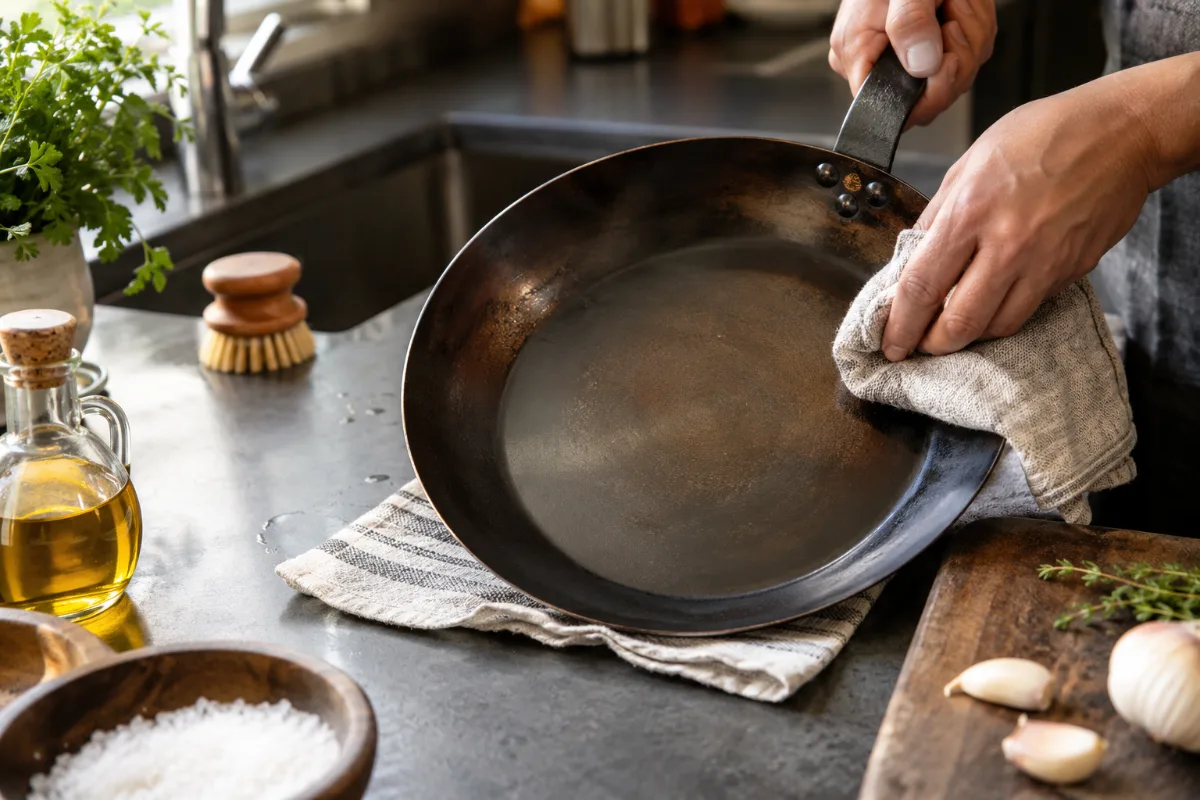
- Clean while warm with hot water and a brush.
- Soap if you want it. It does not strip polymerised seasoning.
- Dry on the hob over low heat.
- Wipe on a thin film of oil while warm.
- Cool, then store with air around it.
Detail in how to clean a carbon steel pan.
Weekly and monthly
There is no weekly ritual. That is the point of the daily one.
What is worth doing occasionally: run one seasoning round after any acidic cooking, and check the edges and the underside, which see less heat and build seasoning more slowly.
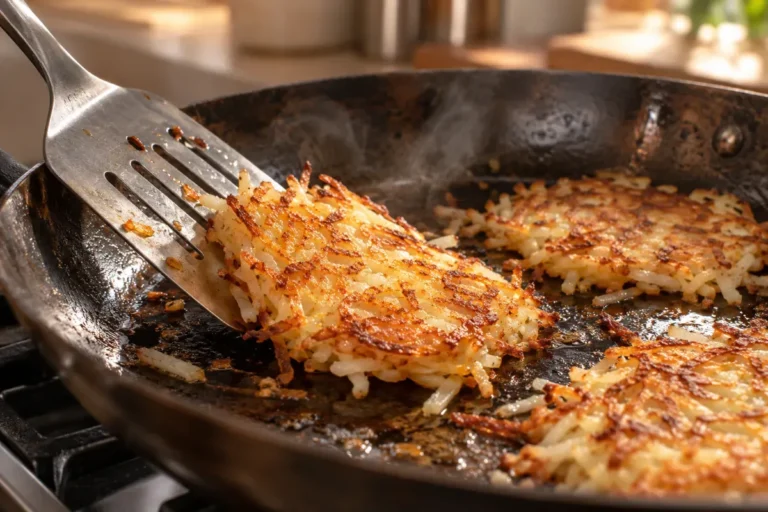
If the pan starts feeling less slippery than it did, cook something fatty in it. Bacon fixes more problems than any product you can buy.
What your pan will look like over time
Nobody publishes this, so here it is plainly.
| Stage | Appearance | How it behaves |
|---|---|---|
| Out of the box | Silver or grey, sometimes waxy | Sticks badly. Normal. |
| After first seasoning | Gold to light brown | Still sticks. Also normal. |
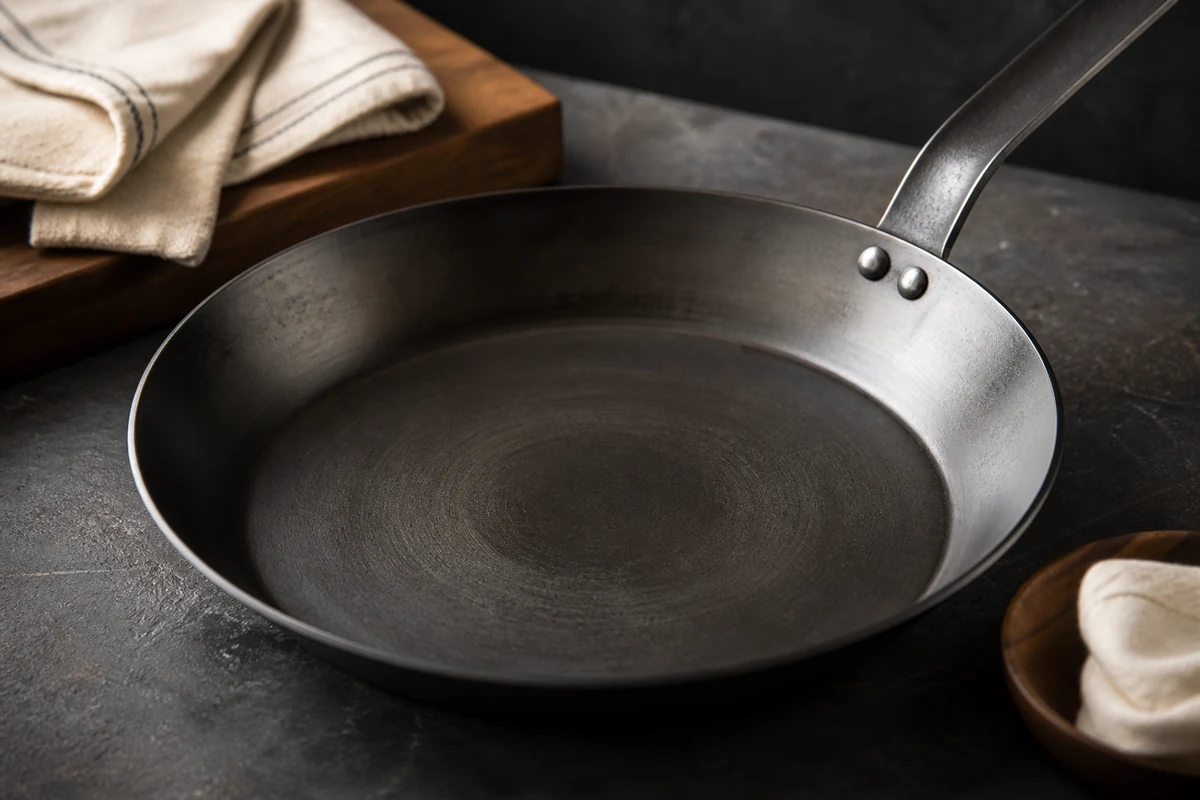
| Around 10 cooks | Brown, patchy, uneven | Fatty food releases. Eggs do not. |
| Around 30 cooks | Dark brown to black, still uneven | Most food releases well. |
| After a few months | Even black, slightly glossy | Eggs slide. This is the pan you were promised. |
| Year one and beyond | Deep black, hard surface | Improves rather than degrades. |
The uneven middle stage is where people conclude they have failed. They have not. A blotchy pan that releases food is working correctly.
Storage
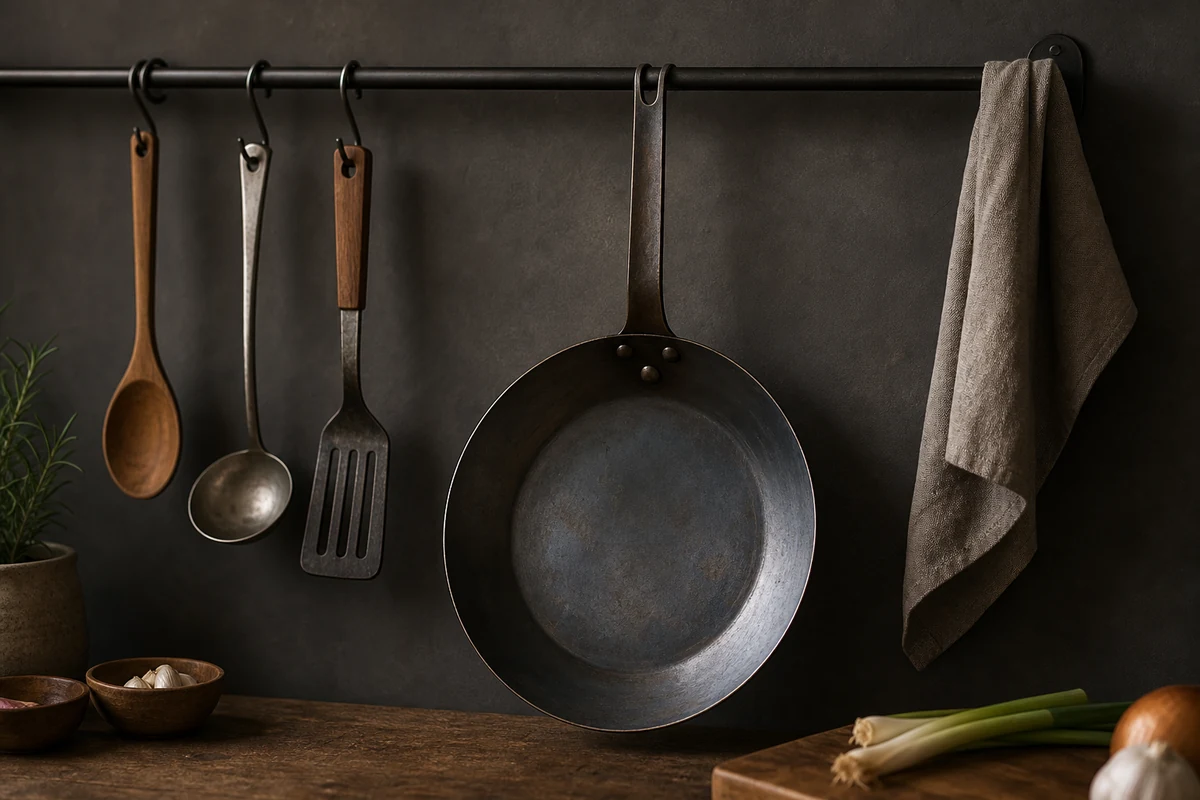
Dry, lightly oiled, with airflow. Hanging is ideal. A damp cupboard is the worst option.
If you must nest pans, separate them with paper towel.
Going away for a month? Give the pan a slightly heavier oil coat than usual before you leave.
Repair, because everything here is fixable
This is the genuine advantage of an uncoated pan. Nothing that goes wrong is permanent except warping.
- Rust: scrub with salt and oil, or steel wool for heavier patches, then reseason.
- Sticky surface: scrub the tacky layer back, reseason with less oil.
- Flaking seasoning: remove the loose material, rebuild that area.
- Total failure: strip to bare metal with oven cleaner or sandpaper and start again. The pan does not care.
Warping is the exception. Thermal shock from cold water on a hot pan can bend thin steel permanently. Slight wobble often settles. Severe warping on induction usually does not.
What you do not need
Seasoning wax. Neutral oil does the same job at a fraction of the cost.
Chainmail scrubbers. Made for cast iron. On carbon steel they take off seasoning you spent weeks building.
Special cast iron soap. Ordinary dish soap is fine.
Pan protectors. A paper towel does it.
Care through the seasons
Nobody mentions that carbon steel care changes with the weather, and it does.
Humid summers are rust season. Air holds more moisture, cupboards sweat, and a pan that survived all winter can spot in a week. Oil slightly more generously, check stored pans every couple of weeks, and consider moving them out of closed cupboards entirely.
Dry winters are the easy months, with one exception: a pan stored near a radiator or oven vent cycles through warm and cool air, and condensation forms on the metal each time the kitchen cools overnight. If mystery rust appears in winter, this is usually why.
Coastal kitchens fight salt air year round. Treat every day like a humid summer day, and wipe the pan down even when it has not been used.
Care for occasional users
Everything above assumes the pan works weekly. A pan used monthly needs a different posture, because seasoning stays healthy through use, and idle steel is exposed steel.
Before a long idle spell, wash, dry hard on the hob, then apply a slightly heavier oil coat than usual, enough to see a sheen. Store with a paper towel inside the bowl to absorb ambient moisture, somewhere with airflow.
Coming back to the pan, wipe out the old oil, which may have thickened, wash with hot water and a drop of soap, dry on the hob, and cook something fatty as the first meal back. If light rust appeared while idle, the rust guide covers a five-minute fix.
Travelling with carbon steel
These pans camp well. Steel does not care about knocks, fire or gravel. Two practicalities matter.
Moisture in transit is the real enemy. A pan packed damp inside a car boot in a plastic bag will arrive orange. Dry it hard before packing, oil it, and wrap it in newspaper or a cotton bag rather than sealed plastic, so any moisture can escape.
Over a fire, expect the exterior seasoning to burn off and the pan to discolour. That is cosmetic. Scrub the soot off at home, dry, oil, and the pan is unchanged. This is exactly the use case where a $27 pan earns its keep over a $120 one.
A maintenance calendar
| When | Do | Takes |
|---|---|---|
| Every use | Clean warm, dry on hob, thin oil | 2 minutes |
| After acidic slips | One seasoning round | 10 minutes |
| Monthly | Check underside and rivets, scrub if sticky | 5 minutes |
| Quarterly | Inspect stored or spare pans for spotting | 2 minutes |
| Before long storage | Heavier oil coat, paper towel, airflow | 5 minutes |
| Never | Dishwasher, soaking, chainmail on seasoning | — |
When care is failing: read the pan
The pan reports its own condition if you know the signals.
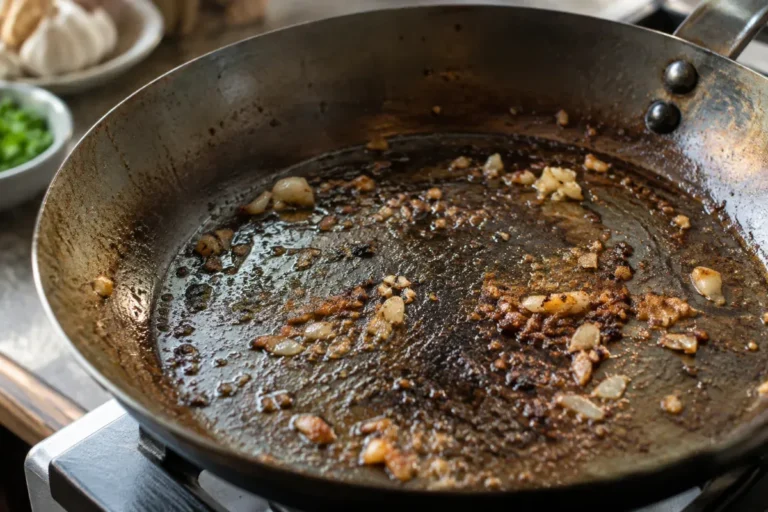
Matte black and slightly slick is health. Grey streaks in the black mean seasoning is thinning there, usually the centre, and a few fatty cooks fix it. Brown or orange freckles are early rust from moisture, caught at the easiest possible stage. A sticky halo at the walls is oil applied too thick, building toward gumminess. Flakes in food mean a thick layer is failing and that area needs scrubbing back.
Five signals, five small corrections, none over twenty minutes. That is the entire discipline of owning this cookware, and it is why the pans outlive their owners when the habit sticks.
Pans that are easier to look after
Care is mostly about how quickly the pan dries and how well it shrugs off a damp cupboard. Nitrided steel is the low-effort choice: the Armorbear 10 inch is $26.99 and the SUMEIGUAN 13.5 inch wok is $39.99, both surface-hardened. At the other end, the Made In 10 inch at $119 rewards a stricter routine with a finish that keeps improving for years.